
The BA Take
A home does not feel spacious simply because it has more square footage. In fact, two homes with identical measurements can create completely different impressions. One may feel open, bright, and easy to move through. The other may feel crowded or closed in. Why? Because buyers experience a home visually and emotionally before they think about the numbers. Furniture placement, room flow, light, scale, and what the eye sees all influence that experience. At BA Staging & Interiors, we look beyond the measurements. We consider how each room connects, where the eye naturally travels, and how the overall home feels as buyers move through it. That is where strategic staging can reveal space that was already there.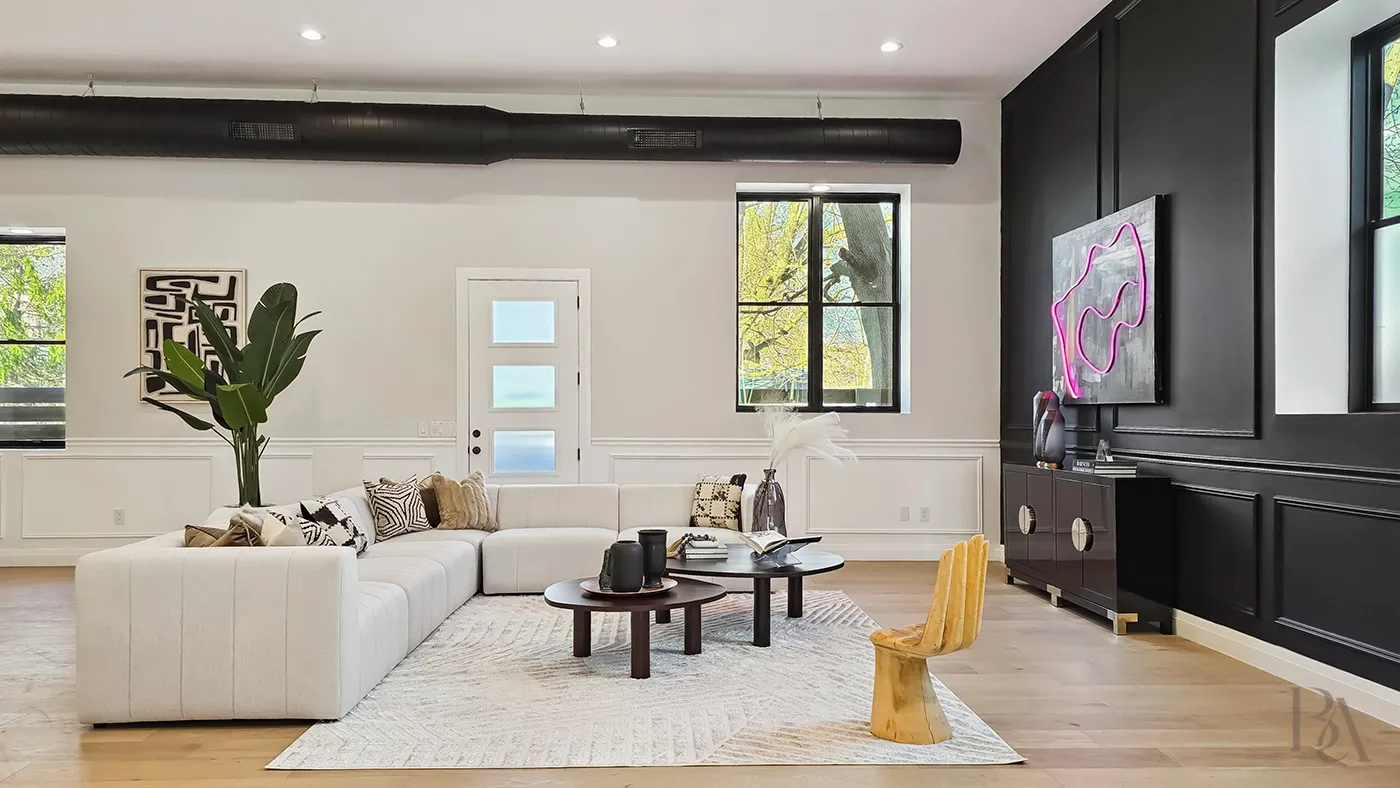
Why Does One Home Feel Bigger Than Another?
The biggest difference is often how the space is used and presented.
Square footage tells buyers how much space exists. It does not tell them whether the space feels comfortable, functional, or open.
For example, a 2,000-square-foot home can feel smaller than a well-planned 1,800-square-foot home if the larger property has oversized furniture, blocked windows, poor traffic flow, or too much visual clutter.
The physical dimensions have not changed.
The perception has.
1. Furniture Placement Can Reveal or Hide Space
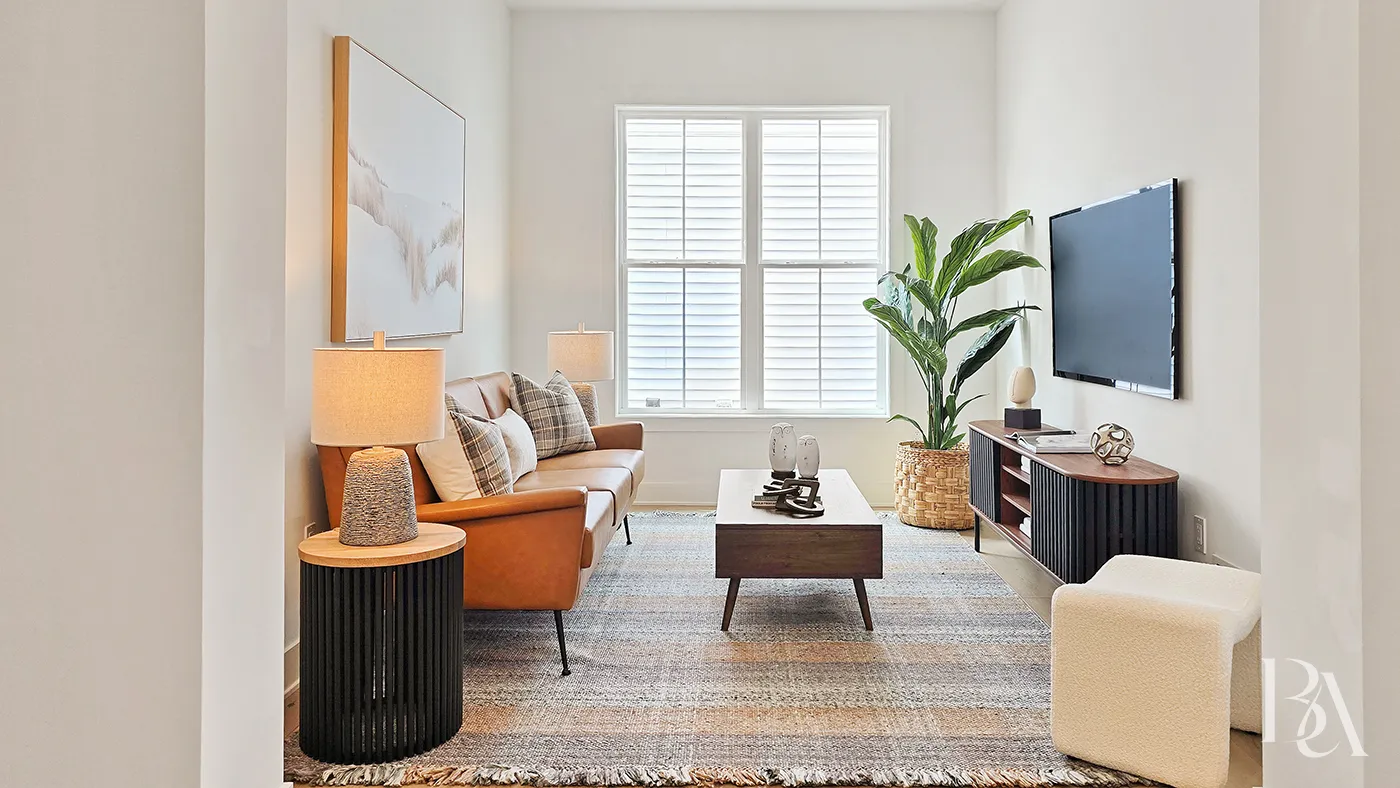
Furniture is one of the fastest ways to change how large a room feels.
Oversized pieces can consume valuable visual space. Poor placement can also interrupt pathways and make a room difficult to navigate.
On the other hand, properly scaled furniture can define the purpose of a room while leaving enough open space around it.
Professional staging considers:
- Furniture scale
- Walking paths
- Doorways
- Windows
- Sightlines
- Room function
- Open floor space
The goal is not simply to use less furniture.
It is to use the right furniture in the right position.
See how BA approaches furniture, color, artwork, and light through its neuroaesthetic home staging services.
2. Sightlines Make a Home Feel More Open
What buyers can see from one room to another matters.
When the eye can travel through multiple spaces, those rooms can feel more connected. This creates a stronger sense of openness.
Imagine entering a living room and immediately seeing a dining area, a large window, and a hallway beyond it.
Your eye has somewhere to travel.
Now picture that same room with a large cabinet blocking the view and furniture cutting across the main walkway.
The square footage is identical.
The experience is not.
3. Natural Light Changes the Feeling of Space
Light has a powerful effect on how a room is perceived.
Bright rooms tend to feel more open, while dark or heavily blocked rooms can feel more enclosed.
Staging can help maximize existing natural light by keeping windows visually clear, reducing bulky pieces near windows, and positioning furniture carefully.
Mirrors can also help reflect available light and create visual depth when used intentionally.
However, more mirrors are not automatically better. Placement should support the room rather than distract from it.
4. Color Creates Visual Continuity
Color does not change the physical size of a room, but it can influence how the space feels.
A consistent palette can help rooms flow together. When every room has a completely different color story, the home can feel more divided.
Lighter colors can also reflect available light and contribute to an airy feeling.
That does not mean every room needs to be white.
The goal is to create visual harmony between walls, furnishings, finishes, and adjacent spaces.
BA also offers paint color and design consultations that consider natural light, architecture, buyer psychology, and the overall experience of a property.
5. Visual Clutter Makes Space Feel Smaller
Clutter does more than occupy physical space.
It also competes for the buyer’s attention.
Too many decorative objects, furniture pieces, patterns, or personal belongings can make a room feel busy. As a result, buyers may notice the contents of the room before they notice the room itself.
Strategic staging helps simplify the visual story.
That may mean removing excess furniture, reducing accessories, clearing bulky storage pieces, or editing artwork.
The goal is not to make the home feel empty.
It is to make the space easier to see.
6. Scale and Proportion Matter
The size of the furniture should relate to the size of the room.
A small room filled with oversized furniture can feel compressed. Meanwhile, a large room filled with tiny pieces may feel disconnected and unfinished.
Good proportion creates balance.
This becomes especially important in:
- Small living rooms
- Bedrooms
- Dining areas
- Narrow spaces
- Open-concept floor plans
The right scale helps buyers understand what can comfortably fit in the home.
7. Flow Helps Buyers Experience the Entire Home
A home should feel easy to move through.
When furniture blocks pathways or creates awkward turns, buyers notice. They may not know exactly why the room feels uncomfortable, but the impression is still there.
Good flow answers simple questions naturally:
Where do I walk?
Where do I sit?
How does this room connect to the next one?
Can I picture myself living here?
That final question is where design becomes more than decoration.
It becomes part of the buyer experience.
The BA Approach: Design the Experience, Not Just the Room
At BA Staging & Interiors, we look at the home as a complete experience rather than a collection of individual rooms.
Our approach considers how buyers move through the property, what they notice first, where their eyes travel, and how each space connects to the next.
Furniture placement, scale, color, lighting, and visual balance all have a role.
The objective is not to make a home appear larger than it really is.
It is to help buyers see the space that is already there.
What Buyers See
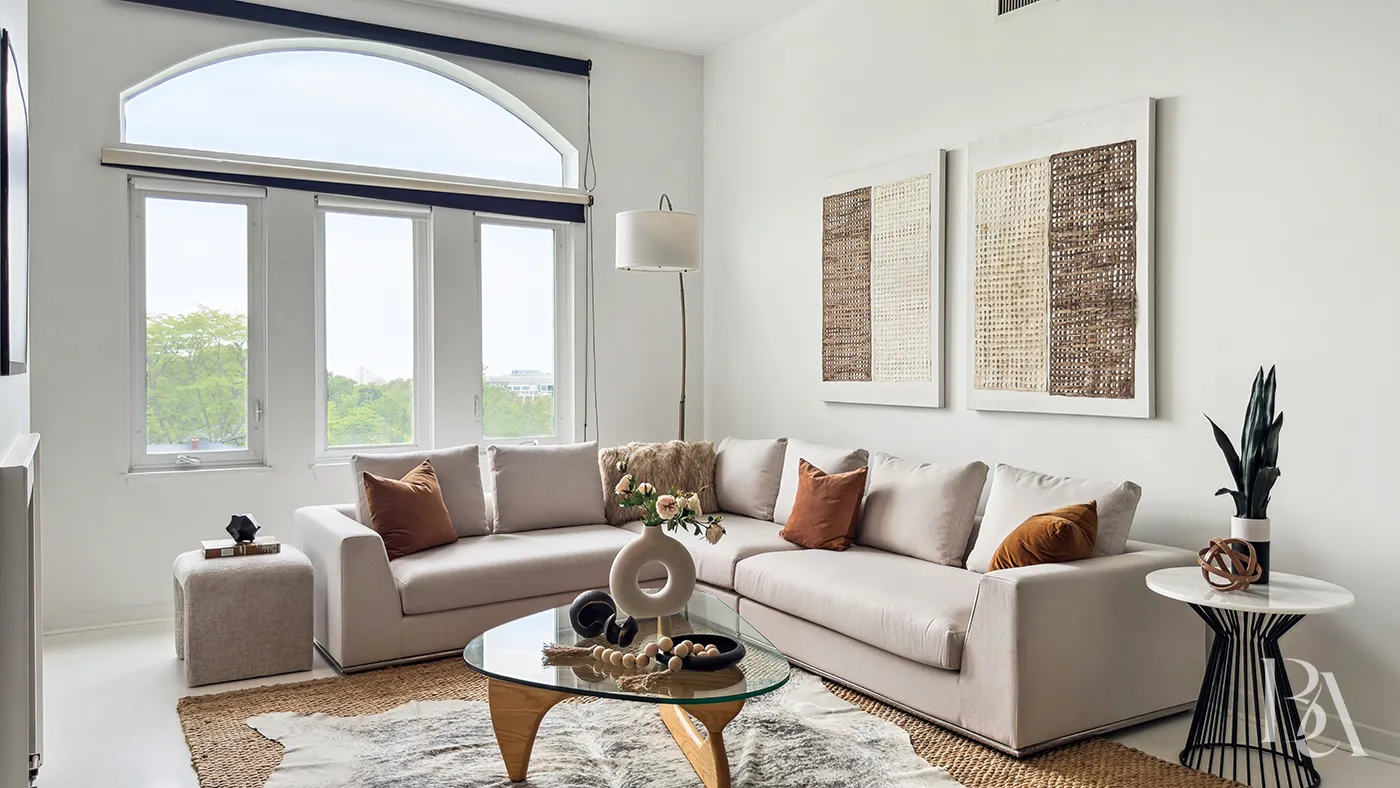
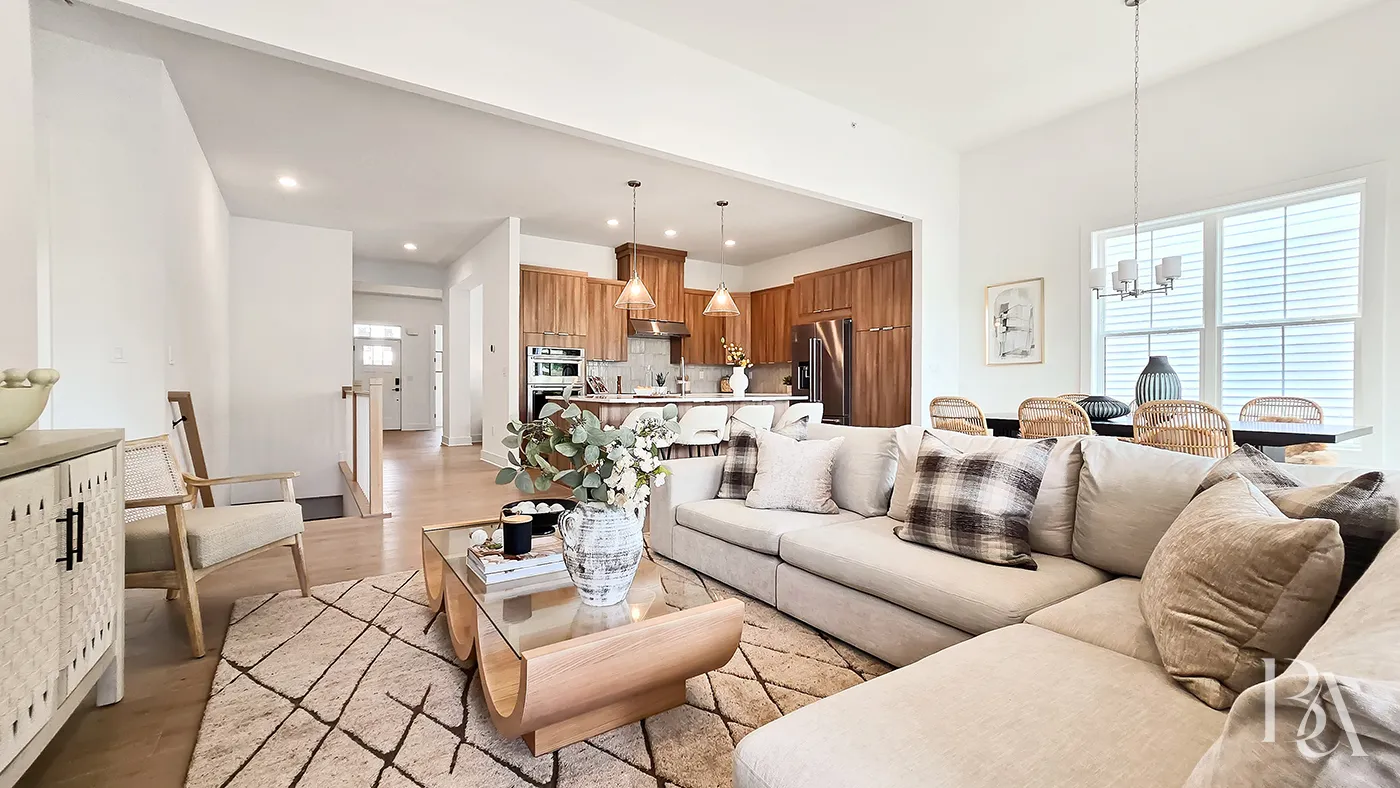
Consider two homes with the exact same square footage.
In one, furniture blocks windows and pathways. Rooms feel crowded, and each space competes for attention.
In the other, furniture is properly scaled. Windows remain visible. The rooms flow together, and the main pathways are easy to understand.
The second home has not gained a single square foot.
Yet it may feel significantly more spacious.
That difference matters because buyers are not only evaluating measurements. They are imagining daily life inside the property.
According to the National Association of REALTORS® 2025 Profile of Home Staging, 83% of buyers’ agents said staging made it easier for buyers to visualize a property as their future home.
Finding reinforces an important point: presentation can influence how buyers understand and emotionally connect with a property.
What This Means for Sellers
If your home feels smaller than its square footage suggests, you may not need more space.
You may need to reveal the space you already have.
Before listing, look at:
- Furniture placement
- Walking paths
- Window visibility
- Room purpose
- Visual clutter
- Furniture scale
- Color continuity
- Connections between rooms
Small changes can sometimes create a noticeably different experience.
That is one reason professional staging can be valuable before a home goes on the market.
Frequently Asked Questions
1. Does furniture really make a room look smaller?
2. Do light colors make a house look bigger?
3. Can staging make a small home feel bigger?
4. Why can an empty room feel smaller?
5. What makes a home feel spacious?
BA’s Final Take
Square footage is a measurement. Spaciousness is an experience.
Two homes can have the same dimensions and create completely different impressions.
The difference often comes down to what buyers see, how easily they move through the space, and whether the design allows the home to breathe.
Effective staging is not about filling a room with beautiful furniture.
It is about making every square foot work harder.
Ready to Make Your Home Feel Its Best?
BA Staging & Interiors helps sellers reveal the potential already inside their homes through thoughtful, buyer-focused staging and design. The goal is not to make your home bigger. It is to help buyers see how much space it truly has. Explore BA’s home staging services or contact BA Staging & Interiors to discuss your property.Residential Homes • Model Homes • Commercial Spaces