
A move-in ready home feels clean, finished, comfortable, and easy to imagine living in. It goes beyond fresh paint or updated finishes. The right layout, lighting, furnishings, styling, and small details work together to create a sense of ease. Buyers should be able to walk in and think, “I can see myself here.”
That missing element is often the experience.
THE BA TAKE
A move-in ready home is not simply a home without repairs. It is a home that feels complete.
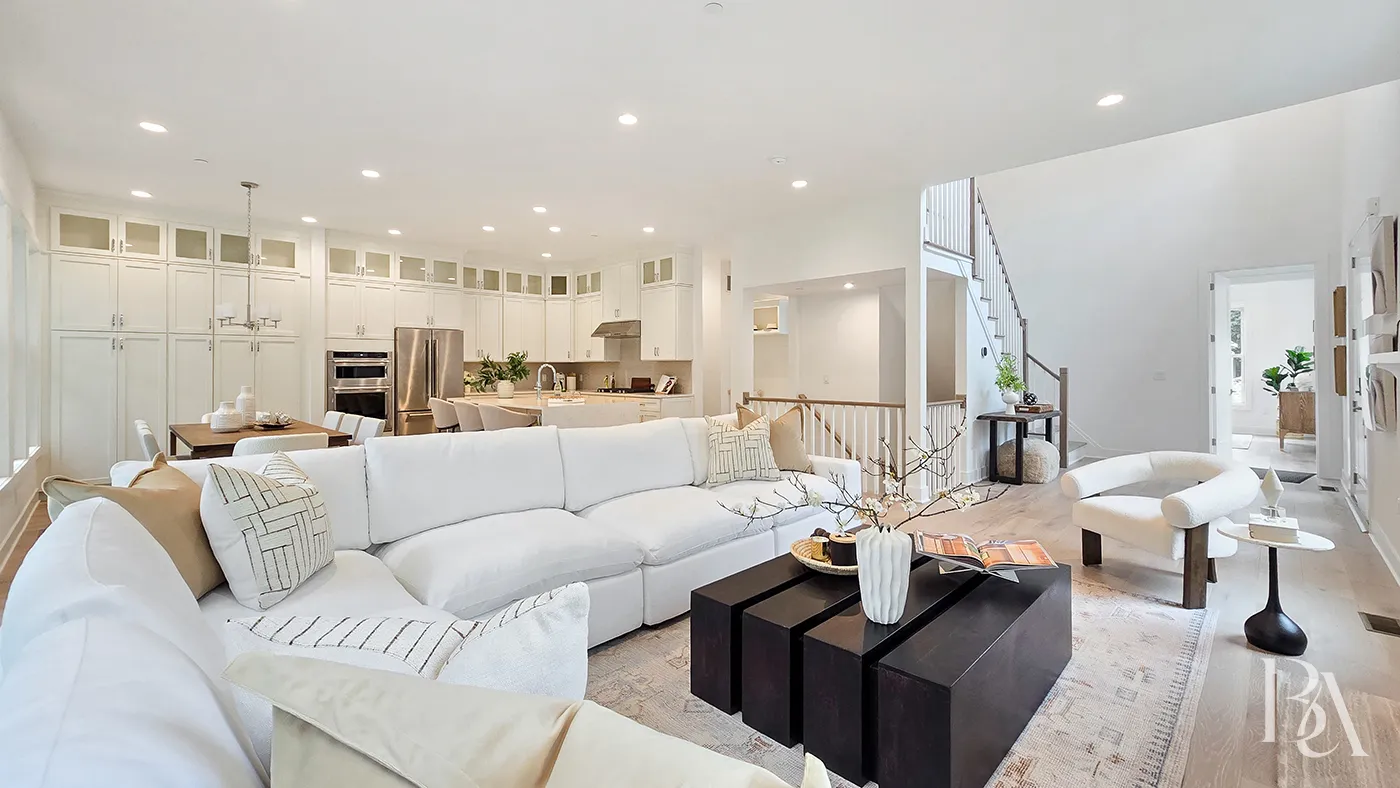
Buyers notice how easily they can move through the space. They notice whether the rooms feel welcoming, whether the furniture fits the scale, and whether the lighting makes the home feel warm and comfortable.
Most importantly, they begin forming an emotional picture of their life there.
WHAT MAKES A MOVE-IN READY HOME FEEL COMPLETE?
Several elements work together to create that feeling of readiness.
1. A CLEAR AND COMFORTABLE LAYOUT
Furniture should help buyers understand how each room can be used.
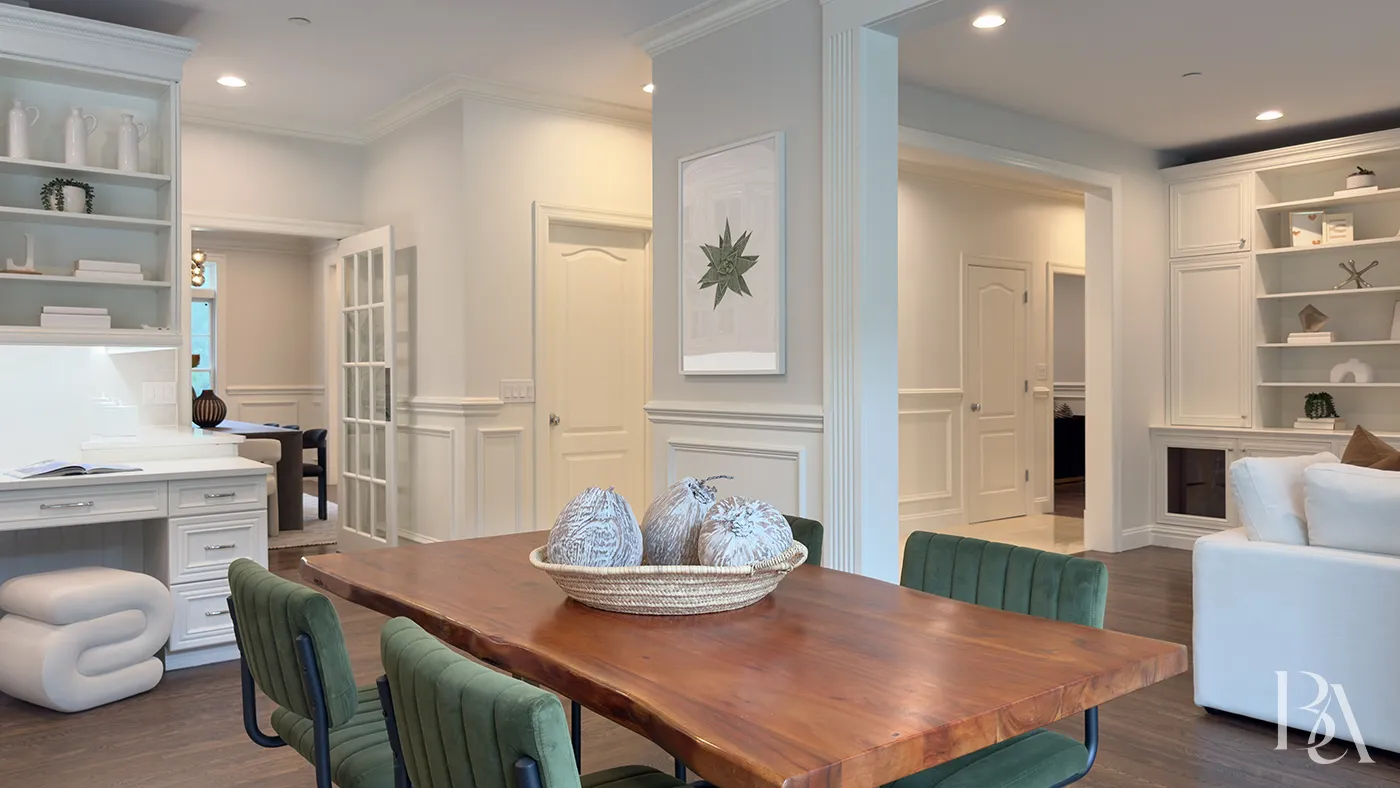
A living room should feel like a place to relax. A dining area should make entertaining feel natural. A bedroom should feel restful.
When furniture blocks pathways or makes rooms feel cramped, buyers may struggle to understand the home’s potential.
The goal is simple: make the home easy to understand at first glance.
2. LIGHTING THAT SUPPORTS THE EXPERIENCE
Good lighting can change how a space feels within seconds.
Natural light should be maximized whenever possible. Meanwhile, lamps and other light sources can add warmth to areas that feel dark or flat.
The goal is not simply to make a room brighter. It is to help each space feel inviting at the right time of day.
3. FINISHES THAT FEEL COHESIVE
A ready-to-live-in home feels intentional.
Colors, materials, furnishings, and accessories should work together instead of competing for attention.
This does not mean everything needs to match. Instead, the home should have a visual rhythm that makes moving from one room to another feel natural.
4. THOUGHTFUL STYLING
Small details can make a finished home feel more personal and complete.
Layered textiles, artwork, greenery, books, lighting, and carefully selected accessories can give rooms warmth without creating clutter.
The difference is subtle but powerful.
Buyers are not just seeing furniture. They are seeing a lifestyle.
WHAT BUYERS ACTUALLY SEE
Imagine walking into two homes with similar square footage and similar finishes.
In the first, the rooms are empty. The walls are clean, but the spaces feel difficult to understand. There is no clear emotional cue for how the home might fit into everyday life.
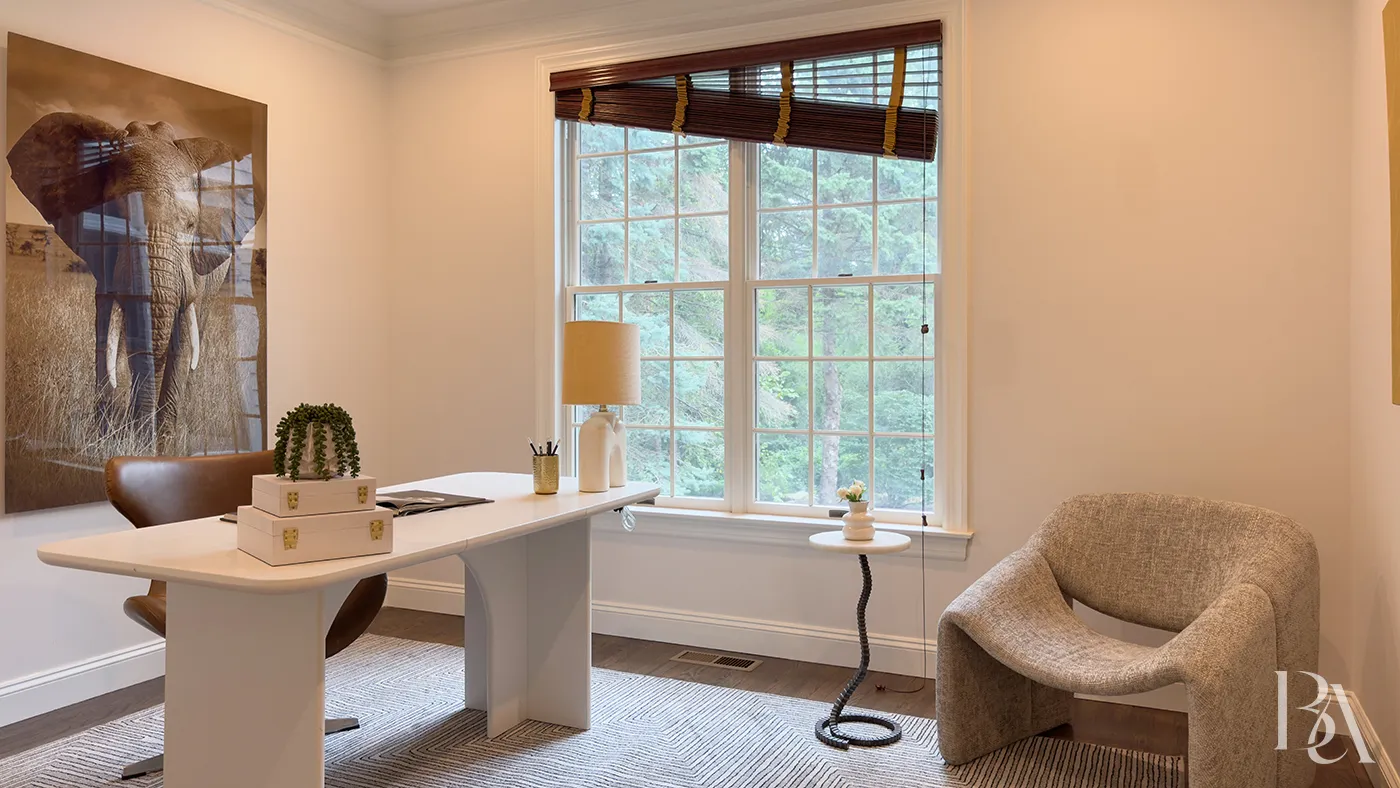
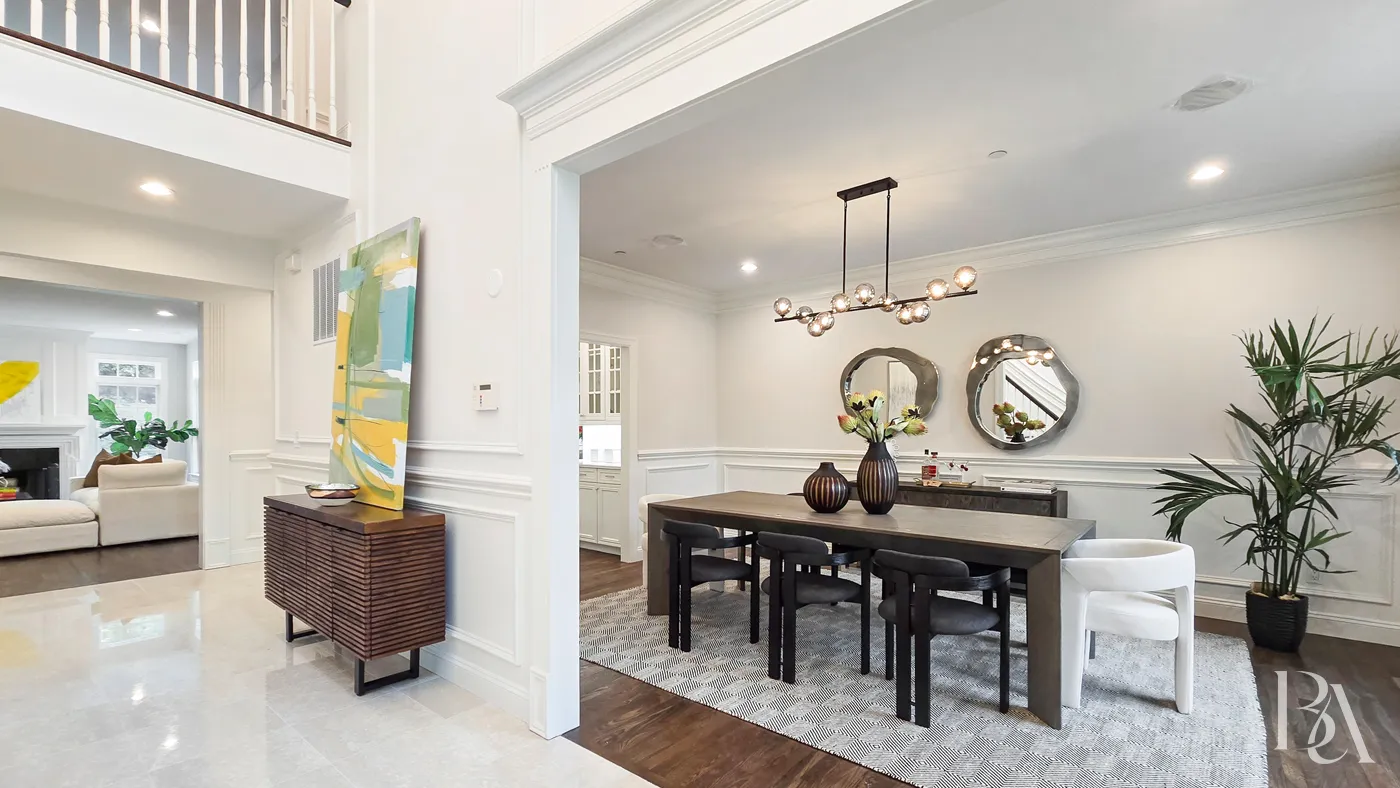
The second is a turnkey home with a comfortable living room, inviting dining area, balanced lighting, and carefully considered details.
The physical difference may not be dramatic. The perceived experience can be.
One home asks the buyer to imagine. The other helps them feel it.
THE BA APPROACH: DESIGNING FOR THE BUYER EXPERIENCE
At BA Staging & Interiors, preparing a home is about more than making it look attractive.
We consider how buyers move through the property, what they notice first, and what helps them understand the purpose of each space.
Our approach applies the Neur-Allure™ methodology, a Buyer-Experience Design approach developed by Birgit Anich. It considers perception, psychology, and buyer behavior when shaping the experience of a home.
That means the design choices have a purpose.
Furniture placement can guide movement. Lighting can influence atmosphere. Color and texture can support emotional comfort. Styling can help create a sense of belonging.
The result is not simply a finished home. It is a home presented with intention.
Explore our home staging services to see how thoughtful preparation can shape the buyer experience.
THE EXPERIENCE OF A READY-TO-LIVE-IN HOME
A truly ready-to-live-in home does not need to feel overly decorated or perfect.
It needs to feel easy.
Easy to enter. Easy to understand. Easy to picture living in.
That might look like a dining table set for a casual meal, a living room arranged for conversation, or a bedroom that immediately communicates rest.
These details give buyers something more valuable than decoration. They give them a glimpse of life inside the home.
WHEN “FINISHED” STILL DOES NOT FEEL FINISHED
One common mistake is assuming that a home is ready because the major work is done.
Fresh paint, clean floors, updated fixtures, and beautiful finishes matter. However, they do not automatically create a polished home.
The final layer is often what connects everything together.
That is where professional staging and design can make a meaningful difference.
Instead of adding more things, the goal is to make intentional choices about what the buyer should see, feel, and understand.
If you are unsure where to begin, a staging consultation can help identify the areas that may need attention before listing.
WHAT THIS MEANS FOR SELLERS
If you are preparing a home for sale, look beyond the checklist of repairs.
Walk through the property as if you have never seen it before.
Ask yourself:
- Can I immediately understand how each room is used?
- Does the furniture make the home feel spacious and comfortable?
- Does the lighting create the right atmosphere?
- Do the rooms feel connected?
- Can a buyer easily imagine their life here?
If the answer is not clear, the home may need another layer of preparation.
Sometimes, the difference between a house that is technically ready and one that feels truly ready comes down to the experience.
For examples of thoughtfully prepared properties, explore the BA Staging & Interiors portfolio.
Frequently Asked Questions
1. WHAT DOES MOVE-IN READY MEAN IN REAL ESTATE?
For buyers, however, the feeling of readiness can also come from how complete and welcoming the home feels.
2. DOES MOVE-IN READY MEAN FULLY FURNISHED?
No. A home does not need to be furnished for someone to move in.
However, thoughtful furnishings and staging can help buyers understand the space and imagine how they could use it.
3. CAN STAGING MAKE A HOME FEEL MORE MOVE-IN READY?
Yes. Staging can show buyers how rooms function, improve visual flow, and create a more cohesive experience.
It can also help highlight the home’s strengths and give buyers a clearer sense of how the space could fit their lifestyle.
4. WHAT DETAILS MAKE A HOME FEEL FINISHED?
5. WHY DOES THE FEELING OF A HOME MATTER TO BUYERS?
They also respond to how easily they can picture themselves living in the space. A thoughtful presentation can help turn a property into a place they can emotionally connect with.
BA’s Final Take
A home feels move-in ready when the practical and emotional sides of the experience come together.
It should feel complete without feeling overdone. Beautiful without feeling decorated for the sake of decoration.
Most of all, it should help buyers see more than rooms and finishes.
It should help them see a life that could be theirs.
Because the goal is not simply to prepare a home for the market.
It is to prepare the experience of coming home.
For broader information about staging and buyer behavior, see the National Association of REALTORS® Profile of Home Staging.
The Next Step
Ready to Make Your Home Feel Its Best?
Explore BA’s home staging services or contact BA Staging & Interiors to discuss your property.
Residential Homes • Model Homes • Commercial Spaces