
What Is Pay-at-Close Home Staging?
Pay-at-close home staging allows an eligible seller to have the property professionally staged now while deferring payment until the home closes. Instead of paying the stager directly before installation, a third-party payment provider may fund the staging cost upfront. The provider then collects the agreed amount when the property closes. RESA describes this as a short-term financing arrangement rather than free staging. (Real Estate Staging Association) For a seller, the biggest difference is when the money is paid, not whether the staging has a cost. That distinction matters. Pay-at-close staging is a flexible payment option, not complimentary staging.Why Would a Seller Choose Staging Paid at Closing?
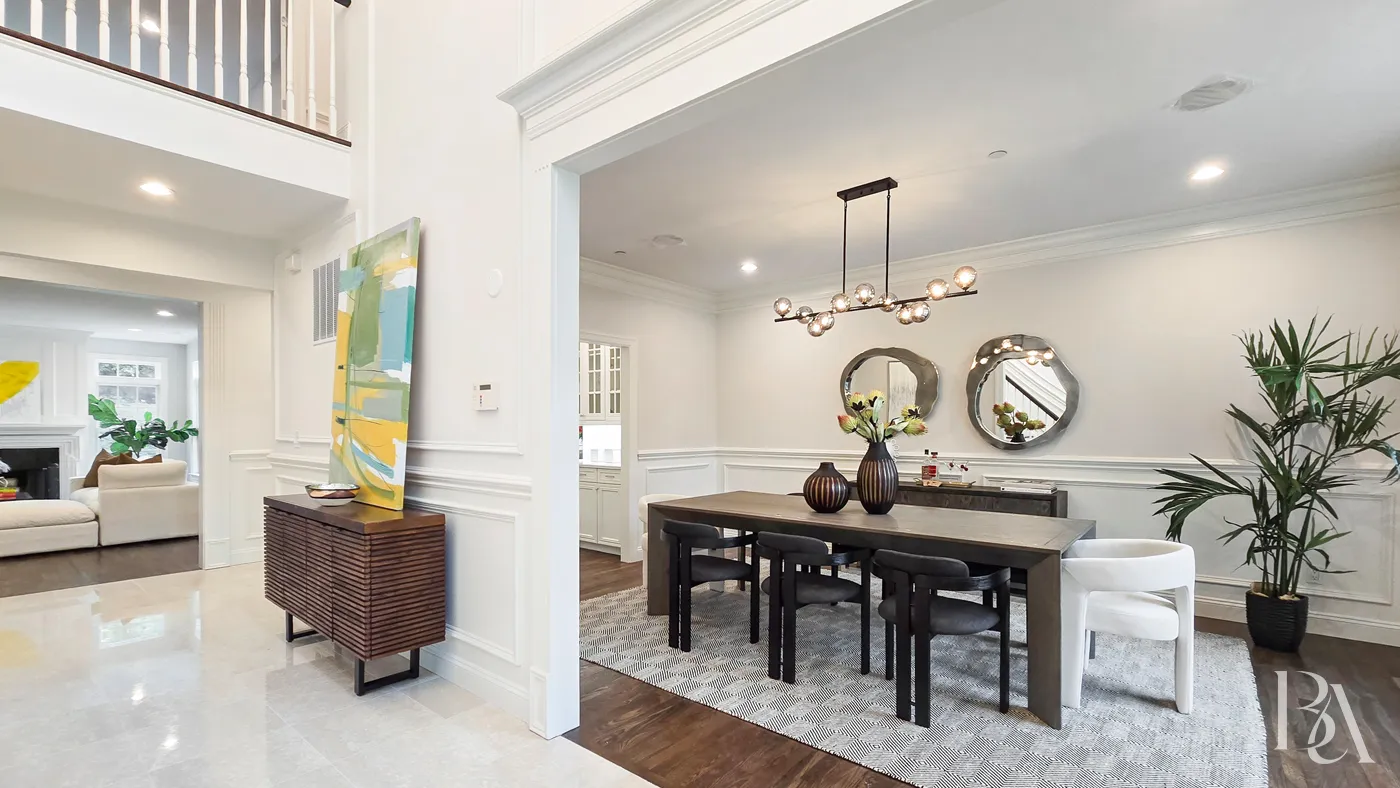
The timing of staging costs can be a real concern. A seller may know that presentation matters but still feel uncomfortable putting more cash into the property before receiving proceeds from the sale. With deferred-payment staging, the seller may be able to prepare the home professionally without paying the full staging cost at the start. That can be especially helpful when the home needs furniture, artwork, accessories, or a complete visual reset before photography and showings. The goal is not simply to make the home look attractive. Professional staging helps present the rooms in a way that makes their purpose, scale, flow, and lifestyle potential easier for buyers to understand.How Does Pay-at-Close Home Staging Work?
The exact process depends on the staging company and payment provider. In general, it may look like this:1. Discuss the staging plan.
The seller and staging professional determine what the property needs.2. Review the payment option.
The seller learns about eligibility, fees, terms, and approval requirements.3. Stage the property.
Furniture and accessories are installed before listing photography and showings.4. Market the home.
The professionally presented property enters the market ready for buyers to experience.5. Payment is handled at closing.
If the property closes under the agreed terms, the deferred staging amount is collected according to the payment agreement.The closing process itself involves several parties and the transfer of funds. The Consumer Financial Protection Bureau explains the importance of reviewing closing documents and asking the appropriate closing or settlement professional about anything that is unclear.

Is Deferred-Payment Staging the Same as Free Staging?
No. This is one of the most important points for sellers to understand. No-upfront staging does not mean no-cost staging. It means the payment is structured differently. A pay-at-close program may also include a fee or other terms. For example, some programs use a percentage-based fee. The specific terms depend on the provider and the seller’s approval. Before signing, ask:- What is the total cost?
- Is there a fee for using the program?
- When is payment due?
- What happens if the home does not sell within the initial staging period?
- Are renewal or extension costs involved?
- What happens if the listing is withdrawn?
Who Can Benefit From Flexible Staging Payment?
Pay-at-close home staging may be worth exploring if you want to professionally prepare your property but prefer not to pay the entire staging cost upfront. For example, you may be:- Preparing a vacant home for sale
- Selling a higher-value property
- Moving and managing several expenses at once
- Working with an agent who recommends professional staging
- Trying to maximize the home’s presentation before photography
- Looking for a more flexible way to fund pre-listing improvements
What Should You Ask Before Choosing a Pay-at-Close Option?
Before moving forward, make sure you understand the agreement. Ask your staging company or payment provider about:Eligibility
Total cost
Payment timing
Staging period
Renewals
Sale outcome
The BA Approach: Stage Now, Pay at Close
At BA Staging & Interiors, Stage Now, Pay at Close gives eligible sellers another way to approach the cost of professional staging. The idea is simple: prepare the home for buyers now instead of waiting until the seller feels financially comfortable paying the entire staging cost upfront. BA’s approach goes beyond placing attractive furniture in a room. Each property is prepared around the buyer experience, with attention to how the home presents its spaces, lifestyle, flow, and perceived value. For eligible clients, the program uses a soft credit check and may include a fee of 0–6%, with many clients receiving a 0% fee. Terms and approval depend on the individual situation. That means sellers can ask about the option without assuming that traditional upfront payment is their only choice.Frequently Asked Questions
1. Can I stage my home and pay when it sells?
Potentially, yes. Pay-at-close programs can allow eligible sellers to defer staging payment until the property closes. Terms and eligibility vary.
2. Is pay-at-close staging free?
No. It is a payment arrangement that defers the cost. Depending on the program, fees may apply.
3. Do I have to pay for staging upfront?
4. What happens if my home does not sell right away?
5. Does every home qualify for Stage Now, Pay at Close?
No. Eligibility depends on the specific program and individual circumstances. A staging consultation can help determine whether the option may be available for your property.
What This Means for You
Selling a home requires spending money before the sale is complete. That does not mean every expense has to be paid in the same way. A pay-at-close home staging option can give eligible sellers more flexibility while still allowing the property to be professionally prepared before it hits the market. The key is understanding the terms, asking the right questions, and choosing a staging plan that fits the property.What Makes BA Different?
At BA Staging & Interiors, staging is treated as part of the home’s marketing strategy and buyer experience. The goal is not simply to fill empty rooms. It is to help buyers see the possibility of living there. And with Stage Now, Pay at Close, eligible sellers have another way to make that experience possible without carrying the full staging cost upfront.BA’s Final Take
The question is not only, “Can I afford to stage my home?”
It can also be, “How can I make professional staging work within the timing of my sale?”
For eligible sellers, paying at closing may provide an alternative worth exploring.
Ready to see what your home could look like before it hits the market?
Talk to BA Staging & Interiors home staging services or contact about your staging options.Residential Homes • Model Homes • Commercial Spaces