
A beautiful home may still struggle to connect with buyers if the design does not help them imagine how they would live there. Strategic staging goes beyond making a home look attractive. It creates a clear, emotional experience that helps buyers understand the space, see its potential, and picture themselves calling it home.
A home can have beautiful finishes, thoughtful design, and picture-perfect rooms. Yet sometimes, buyers walk through it without feeling a strong connection.
That does not always mean something is wrong with the home itself.
Often, the problem is that the design is showing buyers what the home looks like, but not what life could feel like inside it.
For sellers, that distinction matters.
The BA Take: Beauty Gets Attention. Connection Creates Possibility.
A beautiful room can make a buyer stop and look.
A well-designed experience can make them stay, imagine, and remember.
Buyers are not only evaluating countertops, flooring, furniture, or paint colors. They are also asking themselves where they would gather, relax, entertain, work, or spend time with the people they love.
That emotional response can influence how buyers experience a property.
A home can therefore be beautifully designed and still feel disconnected if the design does not communicate a lifestyle.
The goal of staging is not simply to make a home look good.
The goal is to make the home make sense to the buyer.
Why a Home Doesn’t Connect With Buyers
1. It looks beautiful but feels impersonal
A room can be polished without feeling inviting.
For example, a living room may have beautiful furniture, artwork, and accessories. Everything may look perfectly coordinated. Yet the space might still feel more like a showroom than somewhere people actually live.
Buyers need visual clues.
A comfortable seating arrangement can suggest conversation. A thoughtfully styled dining area can suggest gathering with friends. A reading chair near natural light can suggest a quiet morning.
These details give buyers something to imagine.
2. The home does not tell a clear story
Every property has something different to offer.
Perhaps it has an open kitchen designed for entertaining. Maybe it has a peaceful primary suite. It could have a large backyard that becomes an extension of the living space.
If the design does not highlight those possibilities, buyers may miss them.
Strong staging creates a story from room to room.
The living room should feel connected to the dining area. The dining area should support the kitchen. Bedrooms should feel like private retreats.
Instead of seeing separate rooms, buyers begin to experience a home.
3. The furniture does not show the potential of the space
Furniture has a major effect on how buyers understand scale.
Too much furniture can make a room feel small. Furniture that is too large can hide architectural features. Poor placement can also make movement through the space feel awkward.
On the other hand, properly scaled furniture can show buyers how much usable space they actually have.
It gives them a reference point.
Instead of wondering, “Will my furniture fit here?” they can begin thinking, “I could see our family using this space.”
4. The design focuses too heavily on trends
A trendy room can photograph beautifully.
However, a home should not feel like it was designed only for a photograph.
Buyers want spaces that feel current, but they also want them to feel comfortable and livable.
That means design choices should support the architecture, location, price point, and likely buyer.
The best staging does not allow a trend to become the main attraction.
The home remains the star.
What Buyers See Beyond the Decor
Buyers may notice the furniture first.
But they are experiencing much more.
As they move through a property, they are subconsciously evaluating:
- How the rooms connect
- How easy the home feels to navigate
- Whether the furniture feels appropriately scaled
- Where family and guests might gather
- How much usable space the property offers
- Which features stand out
- Whether the home feels comfortable
- How their own lifestyle might fit into the space
These impressions happen quickly.
That is why staging decisions need to be intentional.
A beautiful accessory may look nice, but it should also support the overall experience.
A furniture arrangement should do more than fill an empty room. It should help buyers understand how the room works.
The BA Approach: Design for the Buyer Experience
At BA Staging & Interiors, staging is about more than selecting beautiful furnishings.
It is about designing the experience a buyer has as they move through the property.
That means considering the architecture, room proportions, sightlines, lifestyle, and buyer expectations.
✅ Every decision has a purpose.
✅ Furniture can guide movement.
✅ Lighting can draw attention to important features.
✅ Color can create continuity.
✅ Artwork can establish scale and reinforce the mood.
✅ Accessories can provide the final layer without overwhelming the space.
Together, these elements create a home that feels intentional.
From “That’s Beautiful” to “I Can See Myself Living Here”
Imagine a dining room with a beautiful table and elegant chairs.
The room may look impressive.
Now imagine that same room styled to communicate connection and everyday living. The table is appropriately scaled. The lighting feels warm. The surrounding spaces flow naturally into it.
Suddenly, buyers can imagine dinner with family.
They can picture friends gathering there.
The room is no longer just attractive.
It has a purpose in their imagination.
That is the difference between decorating a space and designing an experience.
The Experience: Help Buyers Picture Their Future
Strong staging gives buyers visual permission to imagine.
A comfortable chair can suggest a quiet morning with coffee.
A well-arranged kitchen can suggest hosting friends.
A thoughtfully styled bedroom can create a sense of retreat.
A defined outdoor area can show buyers that the property offers another place to live, relax, and entertain.
None of these details tells buyers how they must live.
Instead, they give buyers enough information to create their own version of life in the home.
That is where emotional connection begins.
According to the National Association of REALTORS® 2025 Profile of Home Staging, 83% of buyers’ agents said staging made it easier for buyers to visualize a property as their future home.
That finding supports a simple idea: staging is not only about appearance. It can help buyers understand the possibility of living in the property.
Beauty Still Matters
Creating connection does not mean ignoring aesthetics.
Beautiful design still matters.
Professional photography, color, furniture selection, lighting, and visual balance all influence a buyer’s first impression.
The difference is purpose.
Every design element should support the property rather than compete with it.
If an accessory attracts attention away from an architectural feature, it may be doing too much.
If furniture blocks a beautiful window, the room loses an opportunity.
If every surface is decorated, buyers may notice the objects instead of the space.
Good staging knows when to add.
It also knows when to remove.
What Happens When the Home Finally Connects?
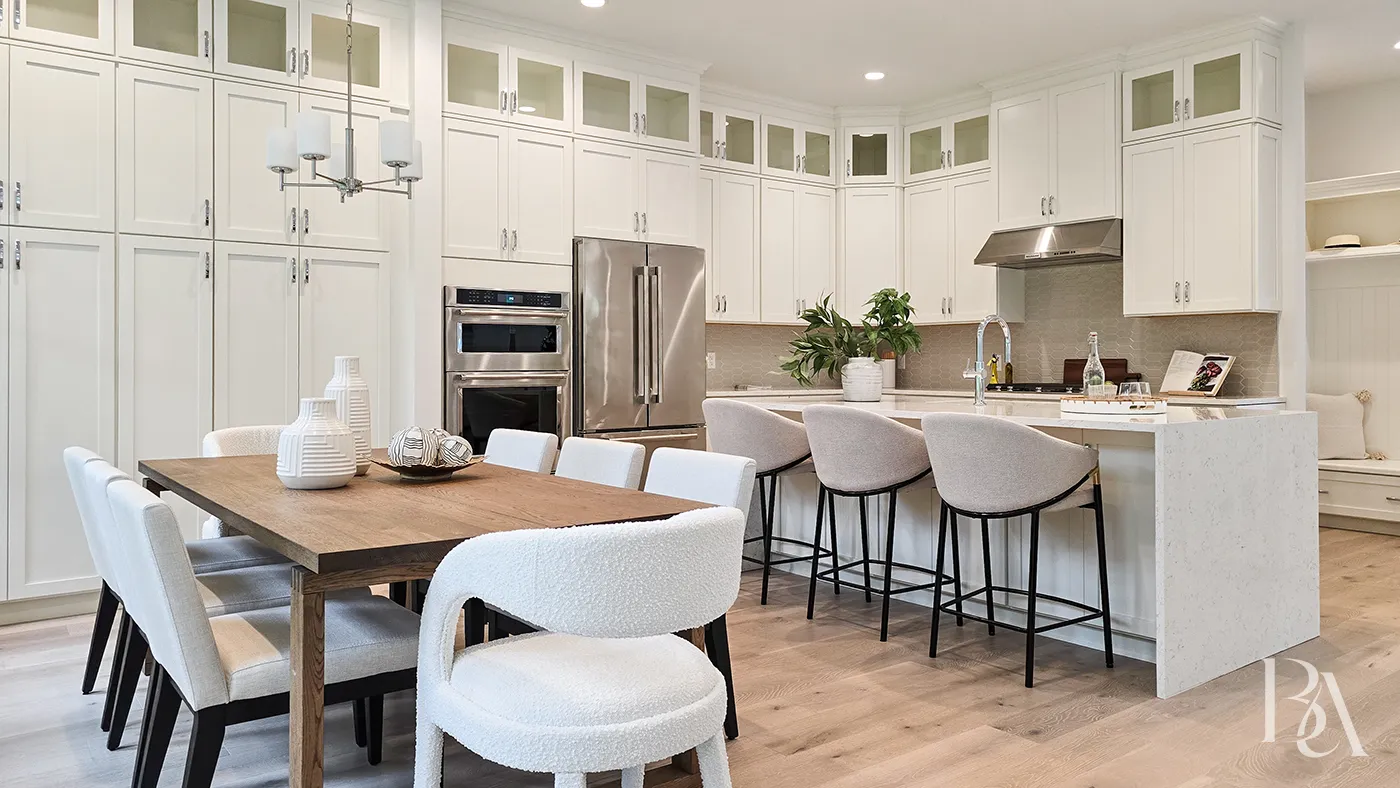
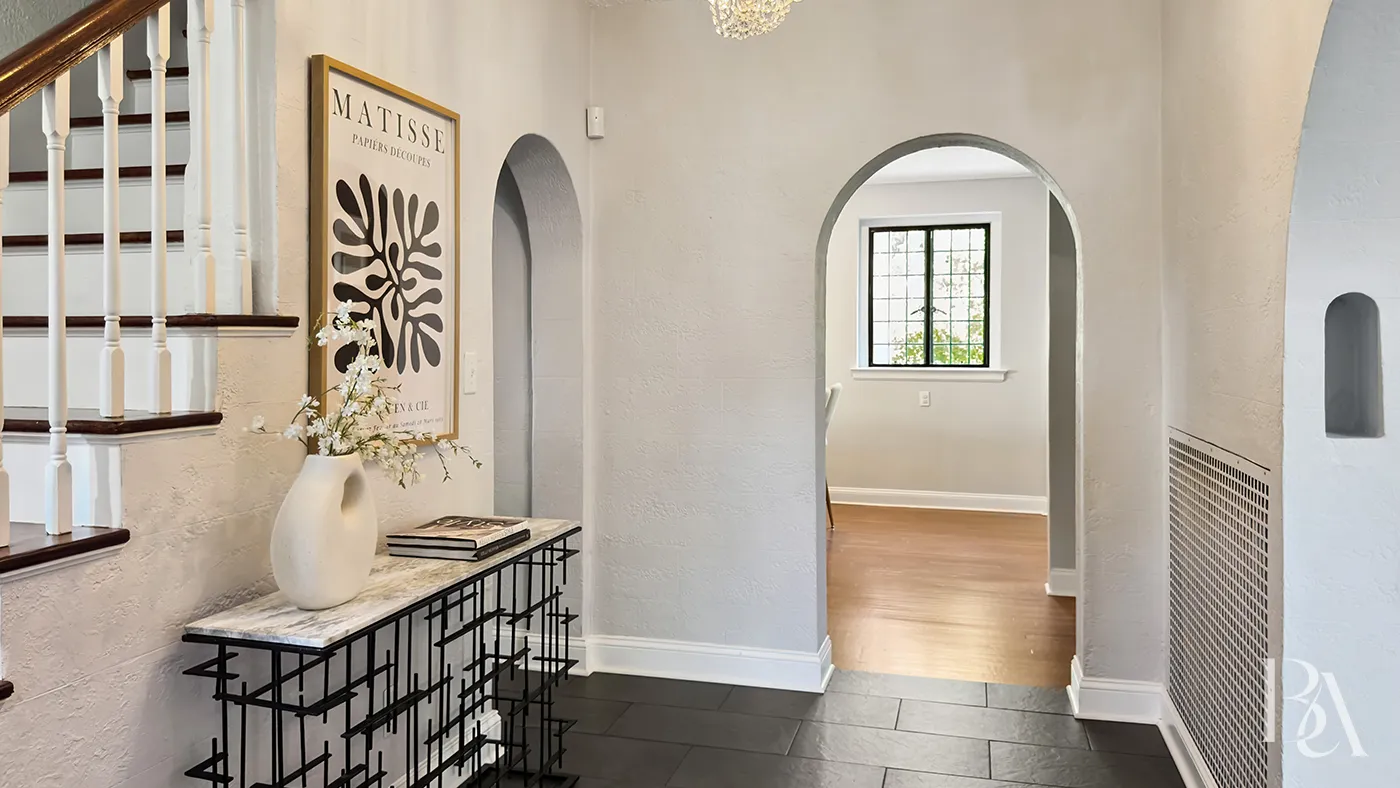
When a home connects with buyers, the experience changes.
Instead of simply noticing rooms, buyers start imagining moments.
💕 They may picture where they would put the Christmas tree.
💕 They may imagine hosting Thanksgiving.
💕 They may see themselves relaxing in the backyard.
💕 They may picture their children using a bonus room.
Those thoughts are not created by furniture alone.
They come from the way the entire home communicates possibility.
That is why strategic staging can be such an important part of preparing a property for market.
BA by numbers – 2026*
$97,000+
Under 2 weeks
$20M+
1,097%
They do, however, demonstrate why staging can be more than a cosmetic update.
It can be part of the selling strategy.
What This Means for Sellers
If your home is already beautiful, you may not need more decoration.
You may need more connection.
Before listing, walk through each room and ask:
🤔 Is the purpose of this room immediately clear?
🤔 Does the furniture show the true scale of the space?
🤔 Can buyers easily imagine themselves using it?
🤔 Are the home’s best features getting enough attention?
🤔 Does the design feel cohesive from room to room?
🤔 Does the home communicate a lifestyle that fits its likely buyer?
If the answer is no, adding more decor may not solve the problem.
A strategic staging plan can.
The question should not simply be:
“Does my home look beautiful?”
It should be:
“Does my home make buyers want to live here?”
Frequently Asked Questions
1. Can a beautiful home still be difficult to sell?
Yes. Visual appeal alone does not guarantee buyer connection. A home also needs to communicate its layout, lifestyle, functionality, and potential clearly.
2. Why is emotional connection important in home staging?
3. Does staging matter if the home is already beautifully decorated?
Yes. A beautifully decorated home may still benefit from staging that focuses on buyer appeal, scale, flow, room purpose, and the property’s strongest features.
4. How does furniture placement affect buyer perception?
5. What is the difference between decorating and staging?
BA’s Final Take
A beautiful home gets noticed.
But beauty alone does not always create a connection.
The strongest staging helps buyers understand not only what a home looks like, but what life inside it could feel like.
That is where design becomes more powerful.
Because buyers are not simply looking for beautiful rooms.
They are looking for a place where they can imagine their next chapter.
If you are preparing a home for market, BA Staging & Interiors can help transform the property from visually appealing to emotionally compelling.
Ready to create a stronger buyer experience?
Explore BA’s home staging services or contact BA Staging & Interiors to discuss your property.
Residential Homes • Model Homes • Commercial Spaces