
Short Answer The best time to sell a home depends on local market conditions, buyer demand, and the property’s readiness. However, thoughtful home staging tips for selling can help homeowners present their properties effectively throughout the year. From bright, welcoming winter interiors to inviting summer living spaces, professional staging highlights a home’s strengths and helps buyers imagine their future there, regardless of the season.
The BA Take: Every Season Is an Opportunity
Spring often brings increased buyer activity in many markets, but it is not the only time to sell. Local inventory, interest rates, property type, and buyer demand all influence the timing. A well-prepared home can make a strong impression in any month. The key is to adjust your presentation to the season while keeping the property’s best features at the center. Good staging does not depend on holiday decorations or seasonal trends. It focuses on creating an experience buyers can connect with.Home Staging Tips for Selling in All 12 Months
⏩ January to March: Start Fresh and Prepare for Spring
January: Clear away holiday decorations, remove clutter, and improve lighting. Create a fresh, comfortable atmosphere that makes winter interiors feel bright and welcoming. February: Focus on warmth and connection. Thoughtful furniture placement, inviting textures, and comfortable seating can help buyers understand how each room supports everyday life. March: Prepare for spring listings. Refresh entryways, check curb appeal, and arrange furniture to highlight space and natural light before professional photography.⏩ April to June: Make a Memorable First Impression
April: Give every room a clear purpose. Remove unnecessary furniture and keep walkways open so buyers can appreciate the home’s layout. May: Highlight outdoor living areas, patios, and views. When the weather allows, show how indoor and outdoor spaces can work together for entertaining and relaxation. June: Help your listing stand out as summer competition grows. Prioritize the living room, kitchen, and primary bedroom, along with high-quality listing photos.⏩ July to September: Highlight Lifestyle and Function
July: Keep rooms feeling open, bright, and comfortable. Showcase outdoor spaces and make sure the home’s most appealing features are easy to notice. August: Highlight flexible spaces such as home offices, guest rooms, and multipurpose areas. Buyers should understand how the home can support their changing needs. September: Prepare for fall buyers with purposeful layouts and welcoming details. Address small maintenance issues and refresh spaces before the next round of showings.⏩ October to December: Create Warmth Without Distraction
October: Use texture and subtle seasonal accents to create a welcoming feel. Avoid excessive decorations that distract from architectural details or make rooms feel smaller. November: Pay attention to lighting as daylight decreases. Warm, balanced lighting and clear surfaces can help interiors feel inviting during showings and in listing photos. December: Keep holiday styling simple. Leave enough open space for buyers to appreciate the home’s layout, storage, and everyday functionality. These seasonal recommendations are starting points, not fixed rules. Your local market and the property’s condition should guide the final strategy.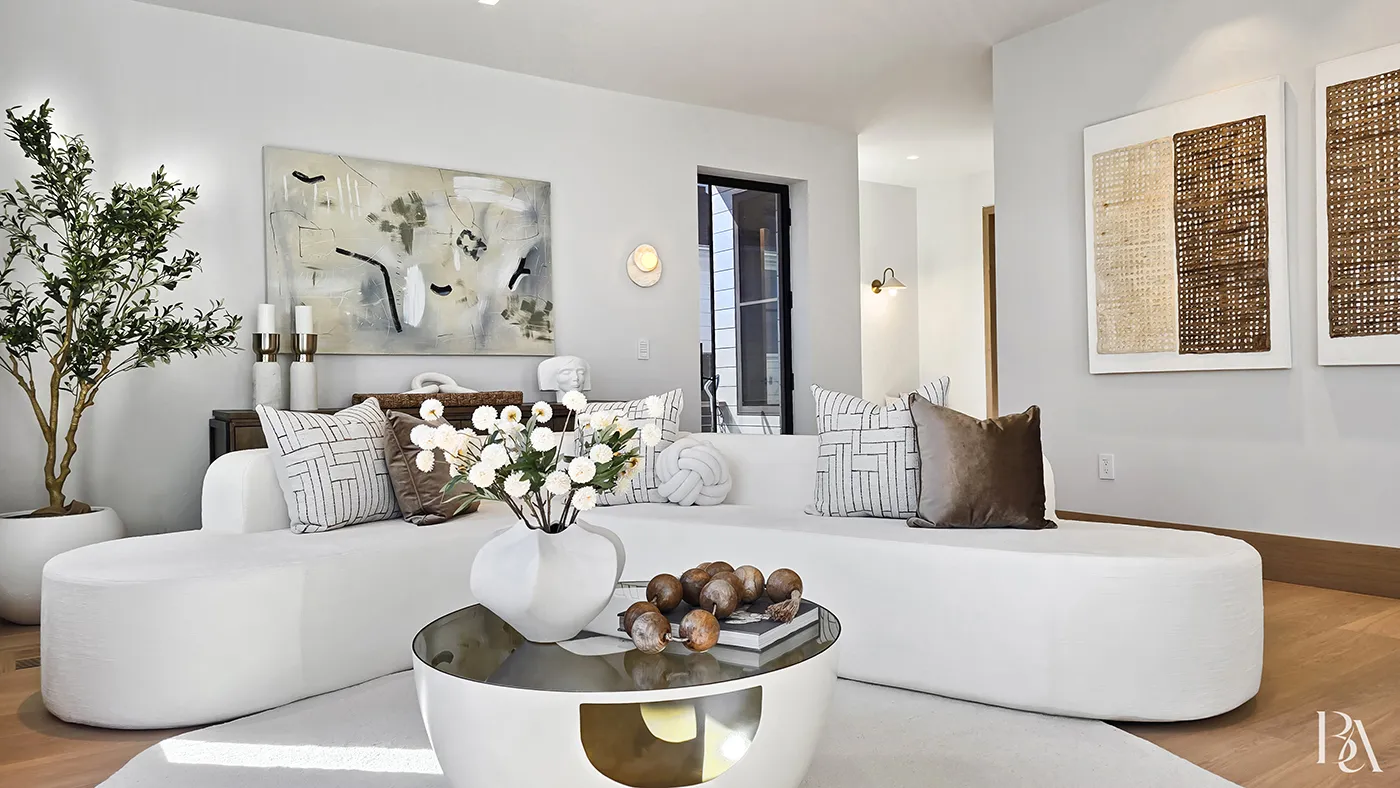
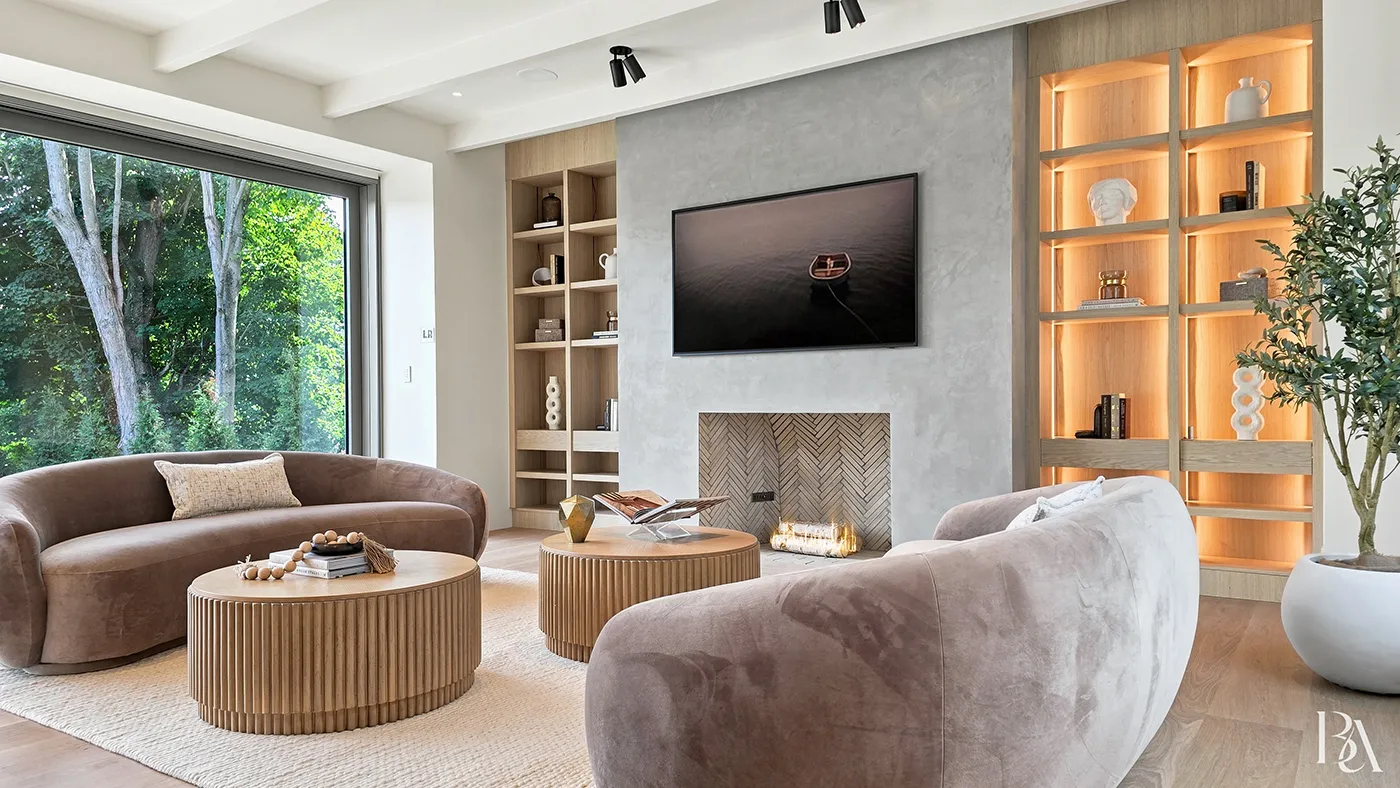
Why Home Staging Matters Throughout the Year
Buyers often begin their search online, making the first visual impression especially important. Professional staging helps communicate a home’s scale, function, and lifestyle potential before buyers even walk through the door.
According to the National Association of REALTORS® 2025 Profile of Home Staging, 83% of buyers’ agents said staging made it easier for buyers to visualize a property as their future home. This supports the value of presenting rooms with a clear purpose and inviting layout.
Effective real estate staging tips go beyond adding attractive furniture. They consider how buyers move through a home, which features deserve attention, and what kind of experience the property communicates.
At BA Staging & Interiors, the Neur-Allure™ methodology applies buyer-experience design principles to help shape perception and emotional response. By thoughtfully presenting a property’s strengths, staging can help buyers connect with its potential. Results still depend on pricing, market conditions, and other factors.
Learn more about BA’s professional home staging services and how strategic presentation can support your selling goals.
Practical Tips Before Listing Your Home
-
- Declutter first: Remove excess belongings so buyers can focus on the space.
- Prioritize key rooms: Start with the living room, primary bedroom, and kitchen.
- Prepare for photography: Ensure rooms are clean, well-lit, and visually balanced.
- Consider professional guidance: A staging consultation can identify improvements that matter most before listing.
These simple steps for preparing a house for sale can create a more polished presentation. Professional staging can take that preparation further by bringing the home’s layout and lifestyle potential into focus.
Not sure where to begin? Explore BA’s home staging consultation services for guidance on preparing your property for the market.
Frequently Asked Questions
1. Is there a best month to sell a home?
2. Is home staging worth it during slower selling seasons?
3. Should I stage my home before listing photos?
BA’s Final Take: Make Every First Impression Count
There is no single month that guarantees a successful home sale. What sellers can control is how their property looks, feels, and communicates its potential to buyers. With thoughtful preparation and the right staging strategy, your home can make a stronger impression in every season. At BA Staging & Interiors, we approach staging as more than decorating. It is a way to design the buyer experience and help each property tell its best story.Ready to prepare your property for the market?
Explore BA’s home staging services or schedule a staging consultation to discover the right approach for your home.Residential Homes • Model Homes • Commercial Spaces