
Fall home staging helps sellers create a warm, polished, and memorable first impression during the pre-holiday selling season. Instead of filling a home with seasonal décor, focus on light, comfort, scale, curb appeal, and buyer psychology. The goal is to help buyers see the home’s potential and imagine living there before the holidays.
The BA Take
Fall can be an important selling window in Fairfield County.
After summer, many buyers return to the market with clearer priorities. Some are relocating for work. Others want to settle before the holidays. Families may also be working around school schedules or existing leases.
These buyers often have a reason to move.
That makes presentation especially important.
A home needs to stand out quickly, both online and in person. More importantly, buyers need to understand the space and connect with it emotionally.
That is where strategic fall home staging comes in.
At BA Staging & Interiors, we do not simply decorate a home for autumn. We design the buyer experience around the property, its architecture, and the lifestyle it can offer.
The goal is simple:
Make the home easy to understand, easy to remember, and easy to imagine living in.
Why Fall Buyers Can Be More Intentional
Spring often receives the most attention from sellers. However, buyers continue searching after summer.
Fall buyers may have already toured several properties. They know what they like, what they dislike, and what they expect from their next home.
Some also have a deadline.
They may need to relocate, finish a lease, coordinate a school schedule, or move before the holiday season.
That can make the right presentation even more valuable.
Recent Fairfield County housing data from Zillow shows homes going pending in about 13 days, with 62.2% of sales above list price in its latest available data.
Local conditions vary by town, price point, and property type. Still, one thing remains true:
Buyers make quick judgments.
Your home needs to make its first impression count.
Make Fall Light Work for You
Shorter days can change how a home feels.
A room that looked bright during the summer may feel darker in October or November. Therefore, lighting deserves extra attention during the fall selling season.
Start with the windows.
Clean the glass and remove anything blocking natural light. Open curtains and shades as much as possible.
Then layer the lighting throughout the home.
Consider:
- Table lamps
- Floor lamps
- Overhead lighting
- Accent lighting
- Fireplace lighting where appropriate
The goal is not to make the home look artificially bright.
Instead, the goal is to create a warm and balanced atmosphere.
Mirrors can also help reflect available light and make rooms feel more open when placed thoughtfully.
Good fall staging works with the light the home already has.
Create Warmth Without Creating Clutter
Fall naturally brings thoughts of comfort and gathering.
However, that does not mean covering every surface with pumpkins, blankets, candles, and seasonal accessories.
Effective autumn home staging uses restraint.
Add warmth through:
- Soft textiles
- Natural materials
- Layered neutral tones
- Comfortable seating
- Simple accessories
The home should feel inviting without becoming a seasonal display.
A staged dining room can suggest family gatherings. A comfortable living room can suggest evenings at home. A thoughtfully styled bedroom can feel calm and restful.
The buyer should be able to picture their own life there.
The décor supports the story. The home remains the focus.
Don’t Forget Fall Curb Appeal
The buyer experience starts before the front door.
Fall can create beautiful curb appeal, but it also brings additional maintenance. Leaves collect on walkways. Landscaping changes. Outdoor spaces can lose some of their summer color.
Before showings, sellers should:
- Clear leaves from walkways and steps
- Trim overgrown landscaping
- Clean the front entry
- Check exterior lighting
- Clean windows
- Remove tired plants
- Keep seasonal décor simple
A tasteful wreath or a few understated seasonal accents can make an entry feel welcoming.
However, heavy Halloween decorations or early Christmas displays can distract from the property itself.
The purpose of seasonal home staging is not to show buyers how you celebrate the season.
It is to help them imagine how they could live in the home.
Stage for the Buyer, Not Just the Season
This is where BA takes a different approach.
Traditional staging often starts with:
“What furniture belongs in this room?”
BA starts with:
“What should the buyer experience when they enter this room?”
That distinction matters.
Through BA’s Neur-Allure™ Method, Buyer-Experience Design considers what buyers see, feel, notice, and remember throughout a property.
We look at:
- Furniture scale and placement
- Room flow
- Focal points
- Lighting
- Visual balance
- Lifestyle cues
- Emotional connection
The result is not simply a decorated home.
It is a home with a clear story.
Good fall house staging should help buyers understand that story from the first listing photo to the final room they visit.
Prepare the Home Before Photography
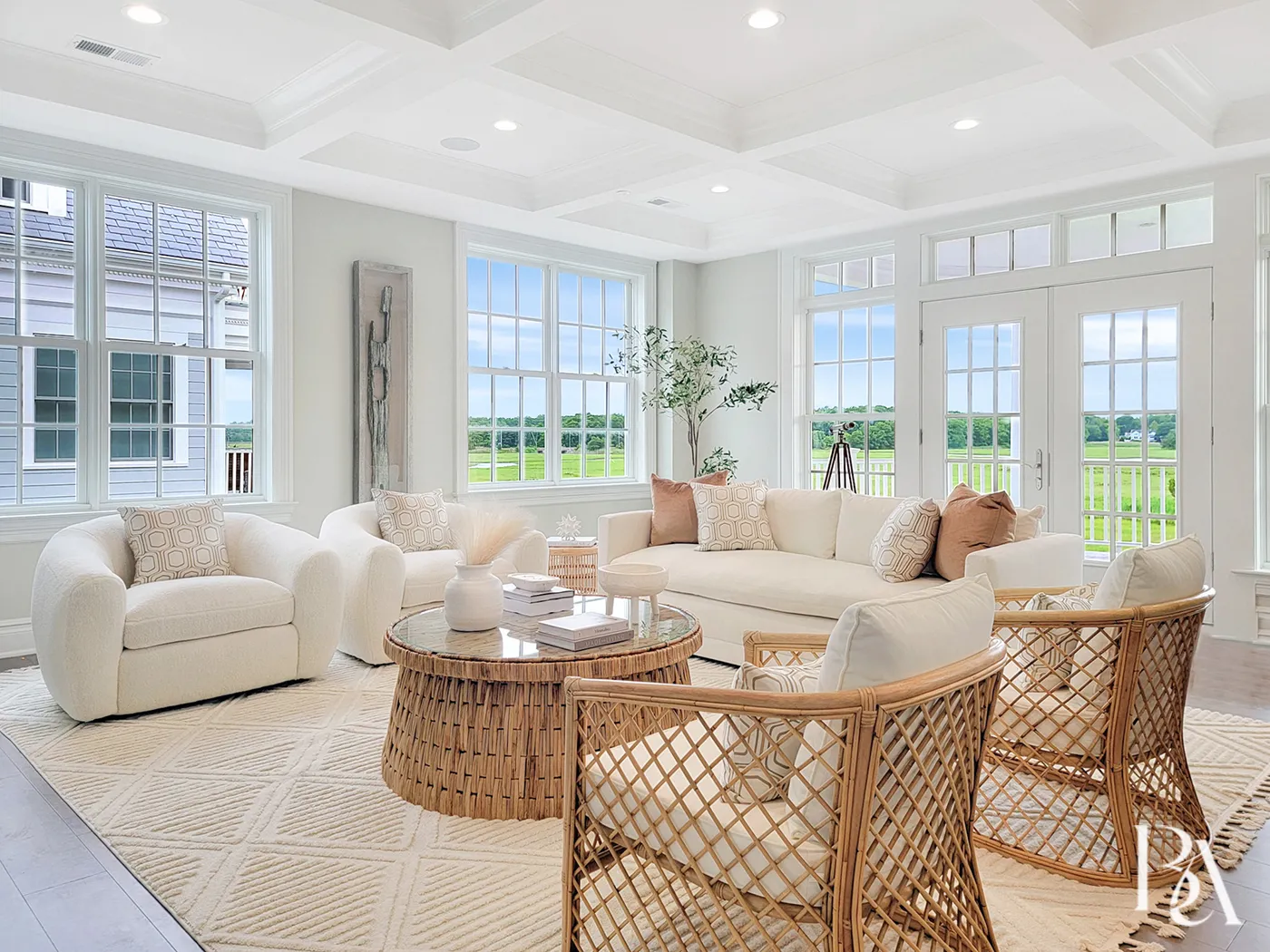
✅ Scale and proportion
✅ Furniture placement
✅ Traffic flow
✅ Focal points
✅ Lighting
✅ Color and texture
✅ Room function
✅ Visual connection between spaces
The goal is not simply to make each room attractive.
The goal is to make the entire home make sense.
The Psychology Behind the Experience
Buyers naturally look for cues that help them make decisions.
When a room feels organized and intentional, it becomes easier to process. When the layout is clear, buyers can focus on the property’s strengths instead of trying to solve design problems in their heads.
This is one reason strategic staging can be so powerful.
At BA Staging & Interiors, we consider these reactions through our Neur-Allure™ Method, which combines design, psychology, sensory details, and visual storytelling to shape the buyer experience.
Every choice should support the property.
A chair can show scale.
A rug can define a conversation area.
Lighting can draw attention toward an architectural feature.
Art can establish a focal point.
Nothing needs to be excessive. It simply needs to be intentional.
Home Staging Psychology in Action
Imagine a vacant primary bedroom.
The room may be large, but buyers have no reference point for the furniture it can accommodate. They may underestimate the space or focus on the wrong details.
Now imagine the same room with appropriately scaled furniture, balanced lighting, and carefully selected accessories.
The buyer immediately understands the room.
They can see where the bed belongs. They understand the available walking space. They can picture getting ready in the morning or relaxing at the end of the day.
The room has not changed.
The buyer’s understanding of it has.
That is the difference between decorating a space and strategically presenting a property.
The BA Approach
At BA, staging starts with the property rather than a furniture package.
We consider the architecture, layout, target buyer, condition, neighborhood, and strongest selling points.
A luxury property requires a different strategy from a starter home. A historic property needs a different approach from a modern new construction.
The question is always:
What does this home need the buyer to notice, understand, and remember?
That answer guides the staging decisions.
The result should feel natural, not manufactured. Buyers should notice the home first and the staging second.
What This Means for Sellers
If a property is generating showings but not strong buyer interest, it is worth looking beyond price.
Research from the National Association of REALTORS® also shows that staging can influence how buyers perceive a property and its value.
Ask what buyers are experiencing when they enter.
⏹️ Can they immediately understand the layout?
⏹️ Do the rooms feel appropriately scaled?
⏹️ Are the best features receiving attention?
⏹️ Does each space have a clear purpose?
⏹️ Can buyers picture their own lives there?
If the answer is unclear, strategic staging may help remove some of that hesitation.
The objective is not to convince buyers that the home is perfect.
It is to make the home’s existing value easier to see.
BA by numbers – 2026*
$97,000+
Under 2 weeks
$20M+
1,097%
So far in 2026, BA-staged properties have sold for an average of $97,000+ over asking and accepted an offer in less than two weeks.
BA has also reached more than $20 million in closed home sales so far this year, with an average 1,097% return on staging investment for clients.
These numbers continue to change throughout the year, but they demonstrate why presentation deserves to be treated as part of the selling strategy.
Frequently Asked Questions
1. Can staging really influence buyer decisions?
2. Why can a vacant home create hesitation?
3. Does staging matter if the home is already beautiful?
Yes. Even beautiful homes can benefit from better flow, proportion, focal points, and a presentation designed around the target buyer.
4. Is professional staging the same as decorating?
No. Decorating focuses mainly on personal style. Staging focuses on presenting the property in a way that helps potential buyers understand and connect with it.
BA’s Final Take
The difference between urgency and hesitation is often not a dramatic flaw in the property.
Sometimes, buyers simply need a clearer path to seeing its value.
Great staging removes the guesswork.
It helps buyers understand the space, notice what matters, and imagine what life could feel like inside the home.
And when that connection happens quickly, a property can stop feeling like another listing and start feeling like the one they do not want to miss.
Ready to Create a Stronger Buyer Experience?
Residential Homes • Model Homes • Commercial Spaces