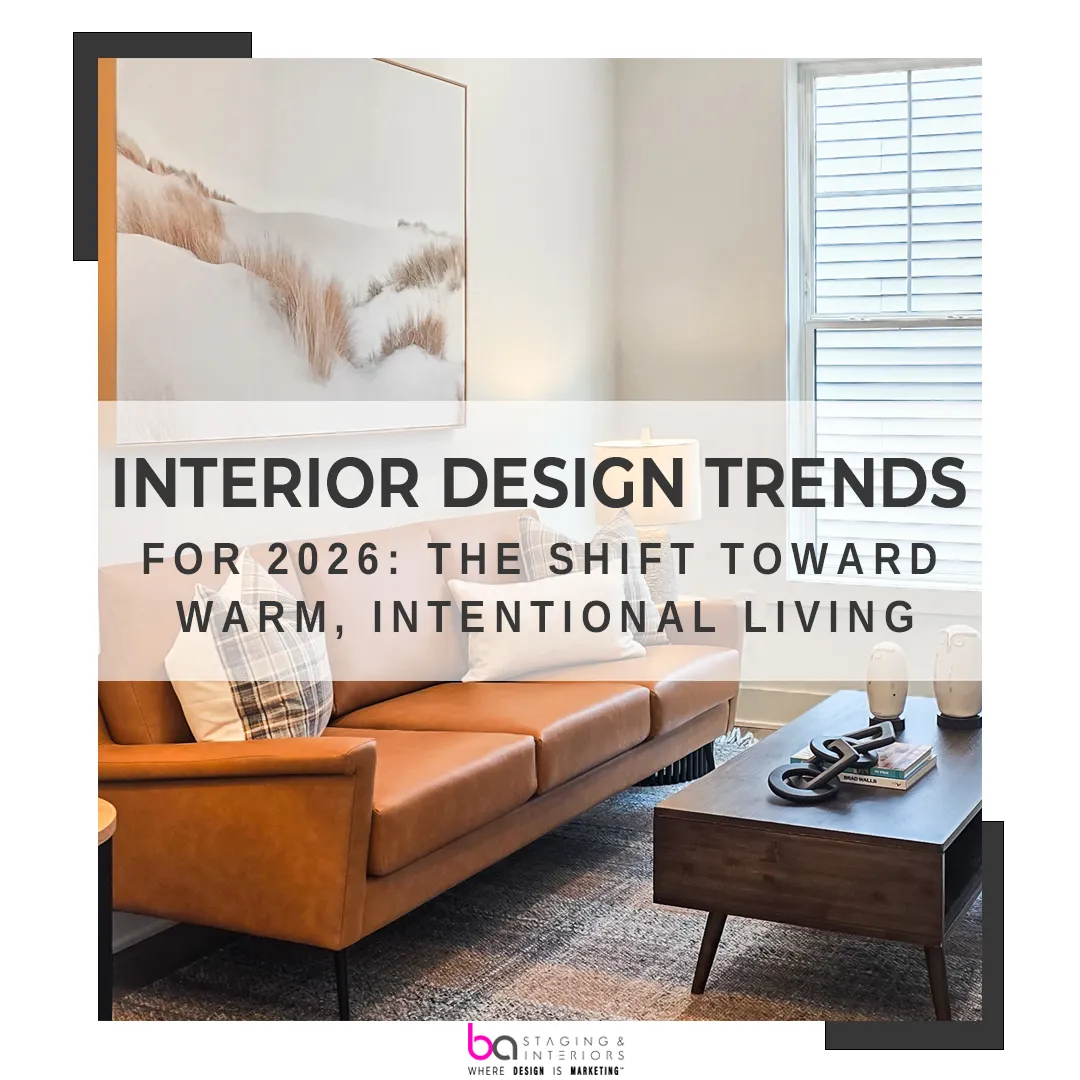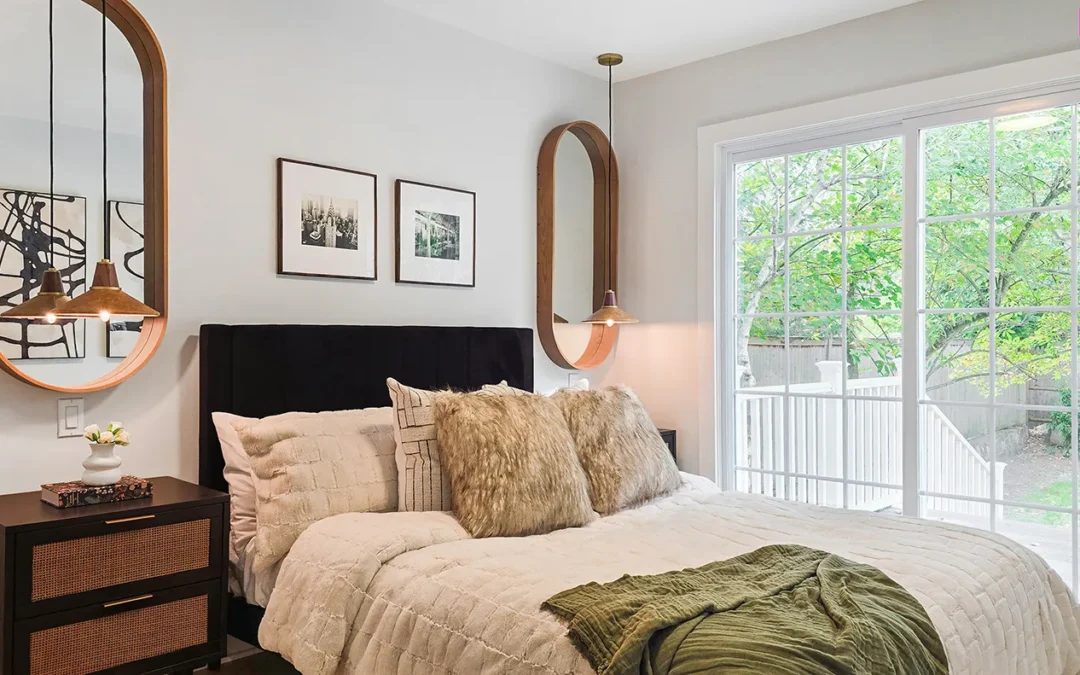
The way we design our homes is changing and 2026 marks a powerful turning point.
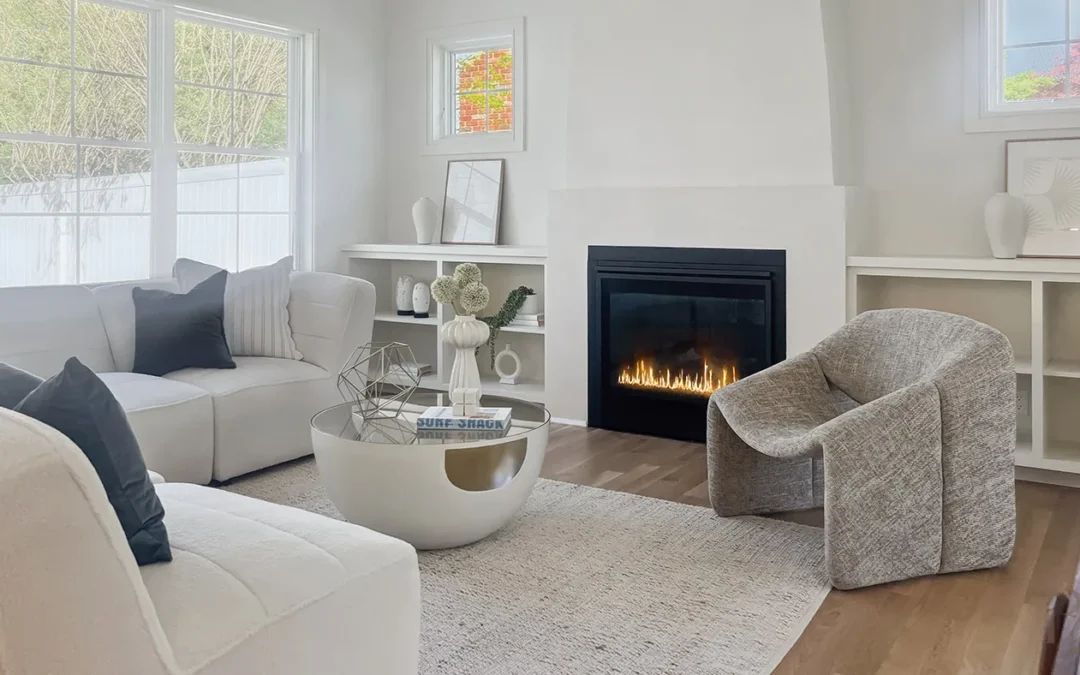
After years of clean lines, white walls, and ultra-minimal interiors, the newest interior design trends for 2026 reveal a collective desire for homes that feel warmer, more personal, and emotionally grounding. This shift isn’t random. It’s rooted in how the brain responds to space, texture, sound, and color.
Design is no longer just about aesthetics. It’s about how a home makes you feel the moment you walk in.
For homeowners, builders, and sellers across Connecticut and New York, understanding these trends is essential not just to stay current, but to create spaces that buyers truly connect with.
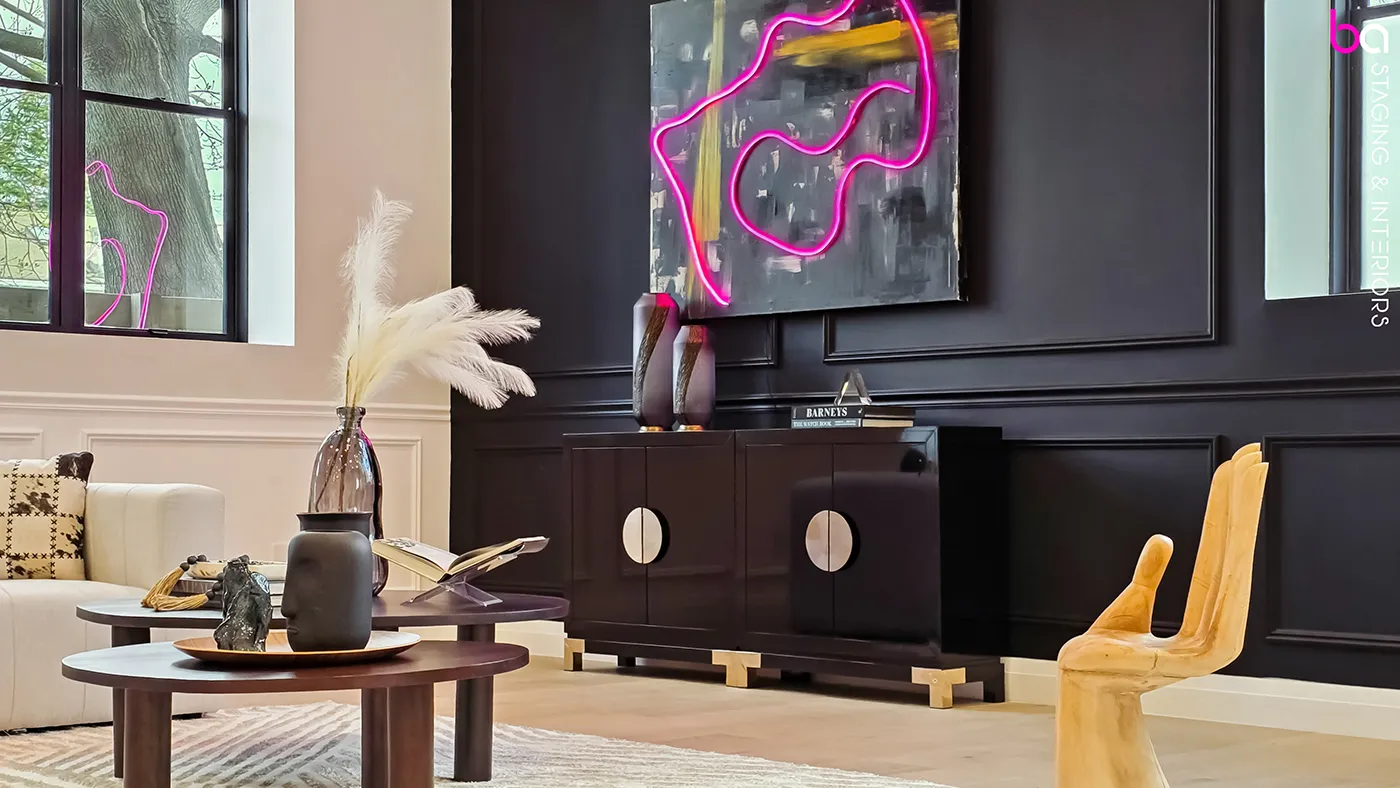
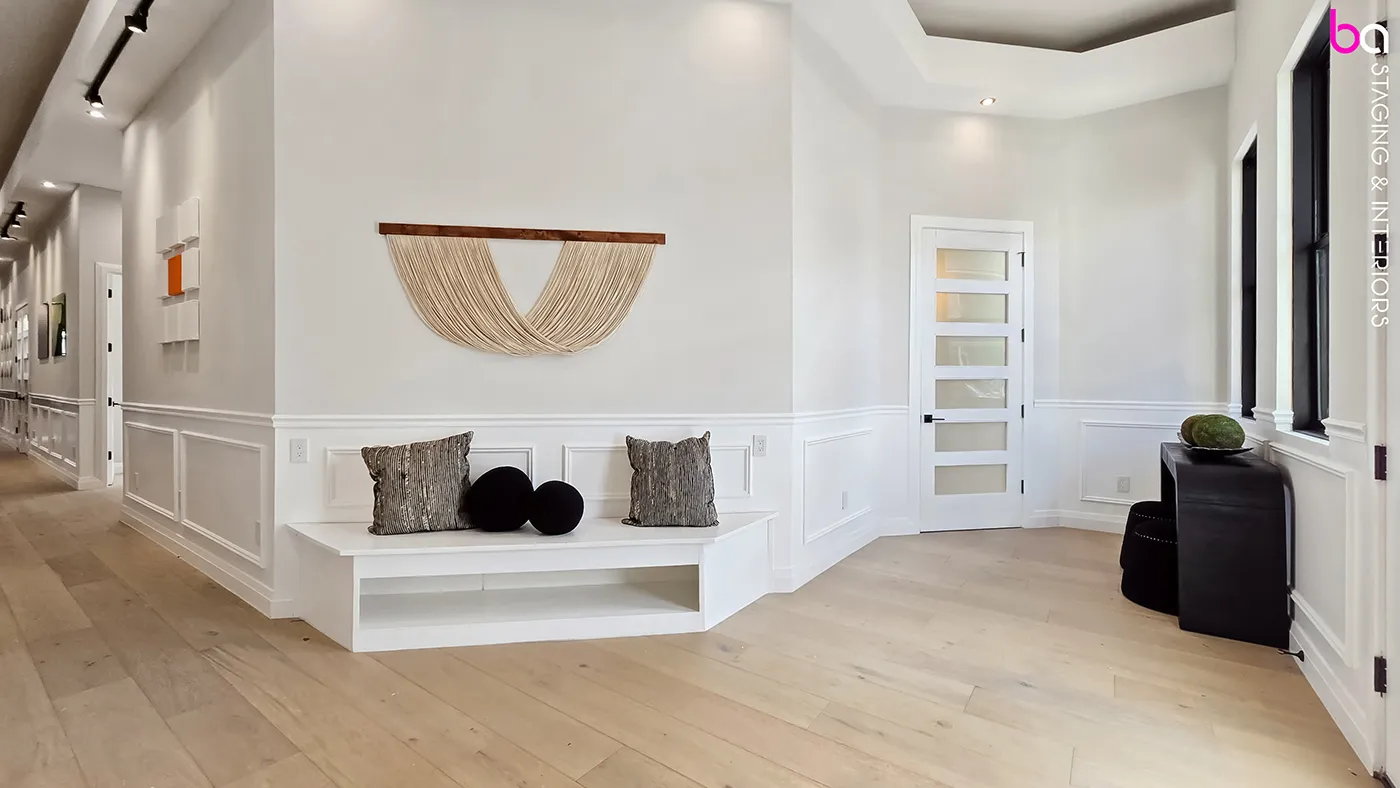
Home Design Trends for 2026 Are Moving Away From Sterile Minimalism
Minimalism once symbolized luxury. In 2026, it often reads as cold and incomplete. From a neuropsychological standpoint, overly sparse environments can trigger emotional detachment. When a space lacks visual warmth or texture, the brain struggles to form attachment and buyers move on quickly.The shift away from sterile minimalism isn’t just aesthetic it reflects a broader industry movement toward warmth and authenticity. Leading design publications like Architectural Digest have highlighted how layered materials, craftsmanship, and lived-in spaces are redefining modern luxury.
What’s replacing it:- Layered materials instead of flat, glossy finishes
- Natural textures like wood, stone, plaster, and linen
- Spaces that feel curated, not copied from a showroom
Intentional Rooms Are Defining 2026 Interior Design Styles
The era of “open concept everything” is fading. In its place, 2026 interior design styles emphasize architectural rooms designed with purpose spaces that reflect how people actually live today. Purpose-driven spaces gaining popularity:- Libraries and reading rooms
- Music rooms and creative studios
- Sculleries and secondary kitchens
- Game rooms, Mahjong rooms, and intimate lounges
Investment Materials Are the New Luxury Flex in 2026 Home Design Trends
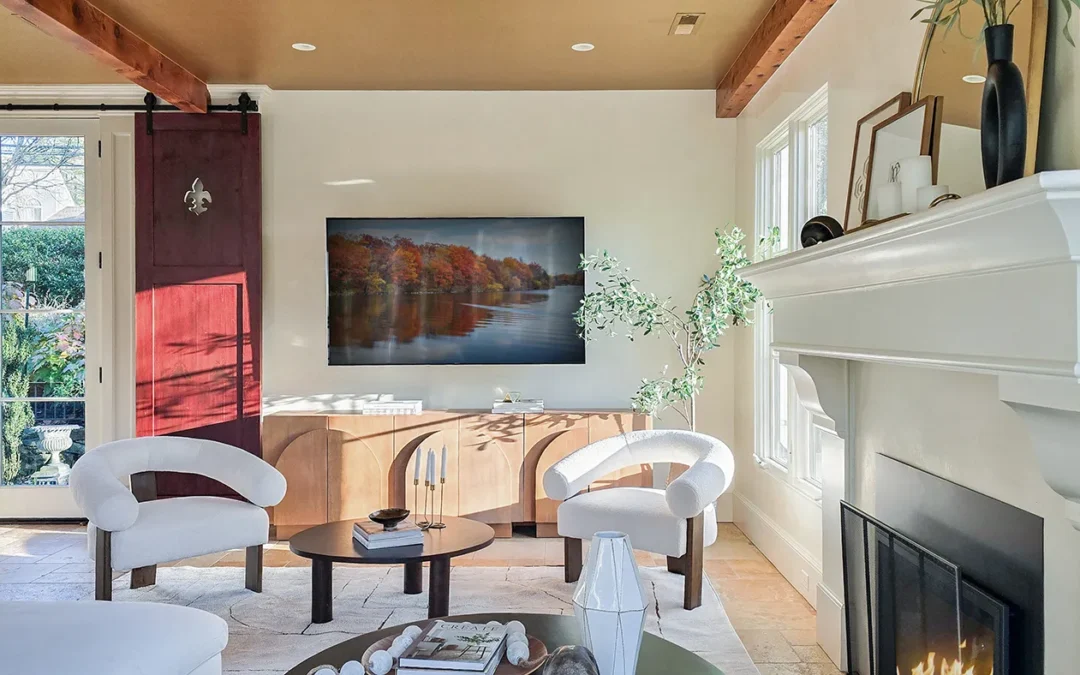
In 2026, luxury is no longer loud. It’s lasting. Buyers are gravitating toward materials that feel substantial, authentic, and timeless, not trendy finishes that photograph well but age poorly. Materials defining 2026:- Real stone and plaster walls
- Unlacquered brass and aged metals
- Walnut and natural hardwoods
- Handcrafted and custom millwork
Color Direction in 2026: Warm, Grounded, and Mood-Driven
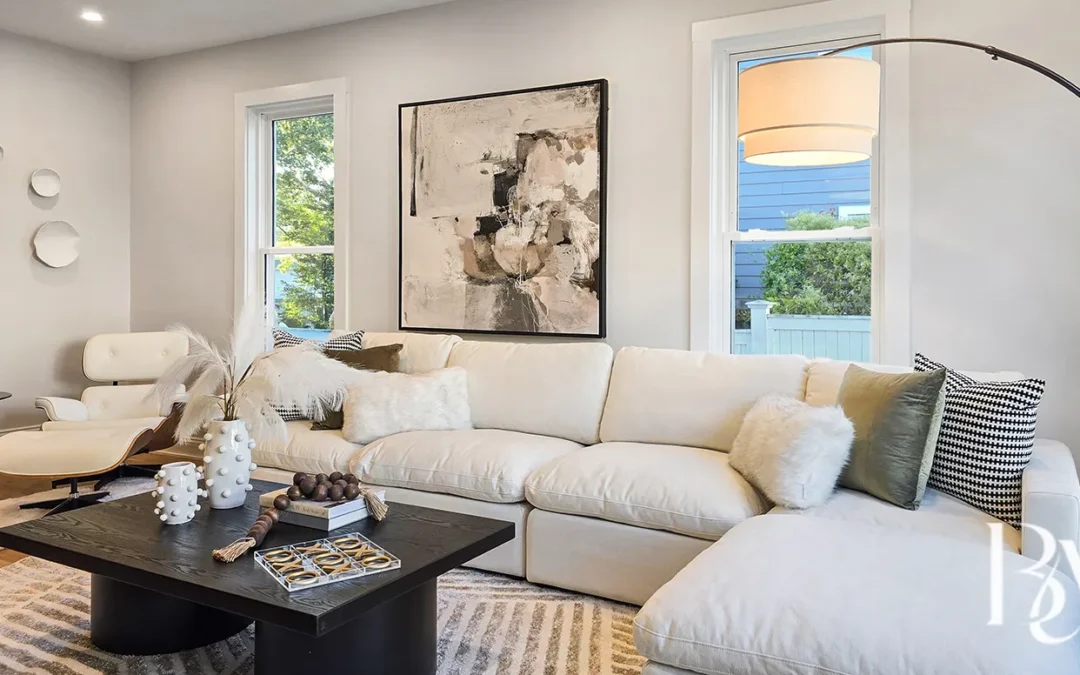
The all-white era is officially over. Color psychology plays a massive role in buyer perception, and in 2026, palettes are shifting toward deeper, earth-inspired tones that promote calm and emotional grounding. Trending colors for 2026:- Cognac and tobacco
- Olive and moss
- Ink blue and deep charcoal
- Layered warm neutrals
Unique Is Outperforming Uniform in 2026 Interior Design Trends
Buyers are done with “copy-and-paste” homes. In 2026, designers are intentionally mixing:- Antiques with modern furnishings
- Artisan-made decor
- Custom upholstery and one of a kind pieces
Sensory Luxury: The Quiet Power Behind 2026 Home Design Trends
Luxury in 2026 is subtle but deeply felt. Sensory-forward design includes:- Softer, layered lighting
- Rich, touchable fabrics
- Sound-absorbing materials and layouts
What These Interior Design Trends for 2026 Mean for Sellers
Homes that align with these trends:- Photograph better
- Create stronger emotional reactions
- Sell faster and with greater perceived value
Frequently Asked Questions: Interior Design Trends 2026
E
L
1. What is the biggest interior design trend for 2026?
The biggest trend is a move toward warm, intentional living homes designed to feel emotionally grounding through layered materials, purposeful rooms, and sensory comfort.
K
L
2. Are white interiors out of style in 2026?
White isn’t gone, but all-white interiors are giving way to warmer neutrals, richer tones, and layered palettes that feel more inviting and lived-in.
K
L
3. How do 2026 design trends affect home resale value?
Homes that reflect 2026 trends tend to create stronger buyer connection, longer in-person visits, and higher perceived value often leading to faster sales.
K
L
4. Is open concept still popular in 2026?
Open layouts are evolving. Buyers now prefer a balanced open flow combined with defined, acoustically comfortable rooms.
K
L
5. Should I stage my home to reflect 2026 trends?
Yes. Strategic staging aligned with current design psychology helps buyers emotionally connect, which directly impacts offers and sale timelines.
Final Thought
The interior design trends for 2026 aren’t about excess. They’re about intention. Homes are becoming warmer, more personal, and more emotionally intelligent spaces designed not just to impress, but to support real life. And in today’s market, the homes that feel right… are the ones that sell.