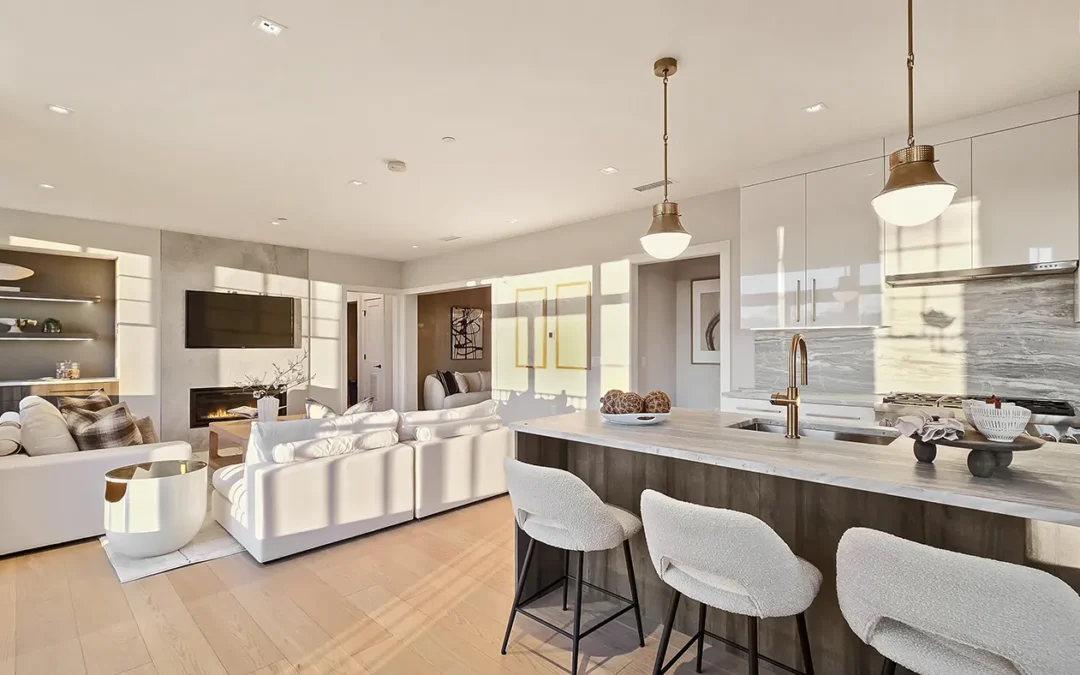
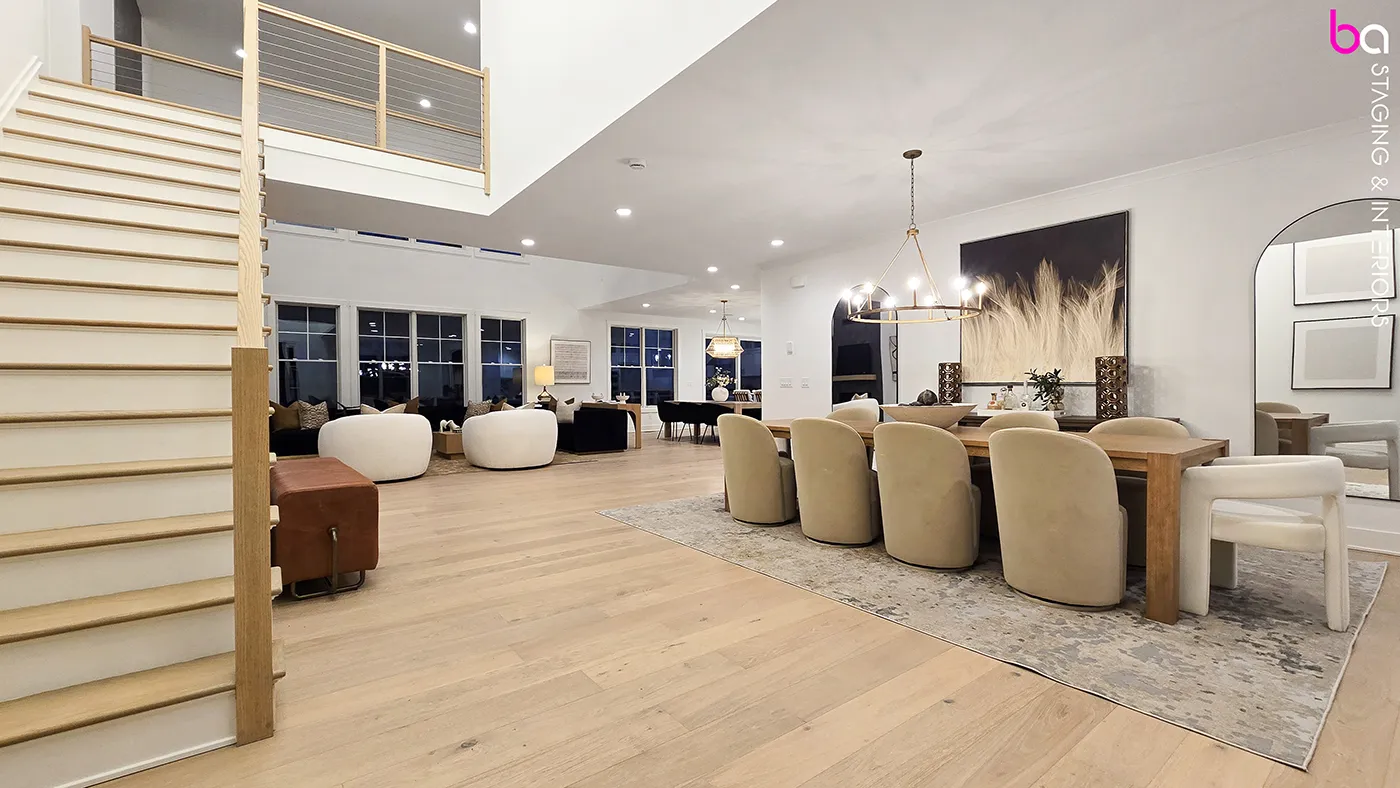
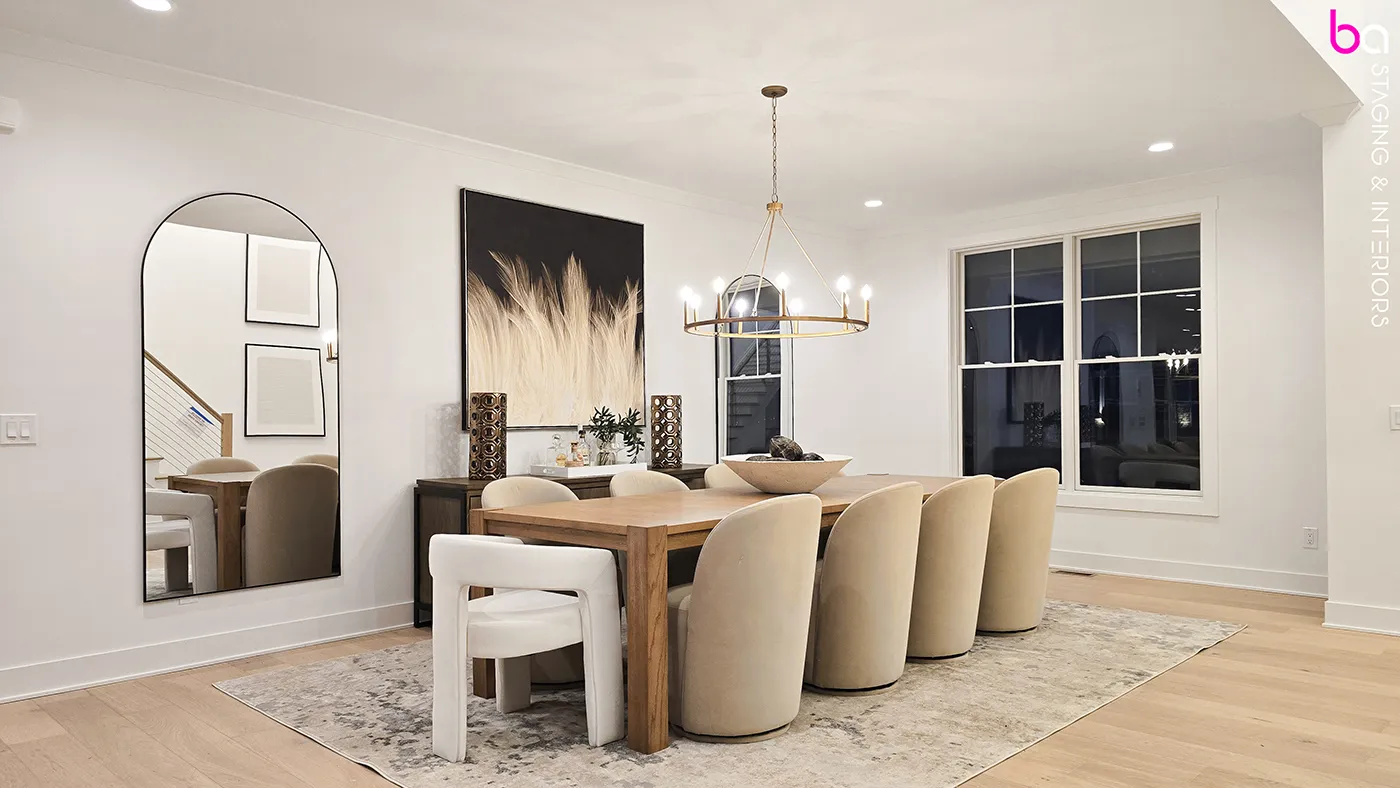
What Is Home Staging Psychology?
Home staging psychology refers to the way design, layout, lighting, and visual balance influence how buyers emotionally respond to a home. Strategic experience design uses principles of buyer behavior and environmental psychology to guide perception and create a stronger connection between the buyer and the property.
When a space feels harmonious, inviting, and visually cohesive, buyers are more likely to imagine themselves living there. That emotional response often begins before they consciously consider price or square footage.
First Impressions Happen Faster Than You Think
When buyers step into a property, their brain immediately processes visual information such as lighting, spatial flow, color harmony, and furniture placement.
If the home feels calm, balanced, and welcoming, buyers begin imagining their daily life there. If the space feels empty, cluttered, or poorly arranged, the emotional connection weakens almost instantly.
Buyers often feel first and analyze later.
The Subconscious Signals Buyers Are Reading
Even when buyers believe they are evaluating a property logically, subconscious cues influence their perception.
These cues include:
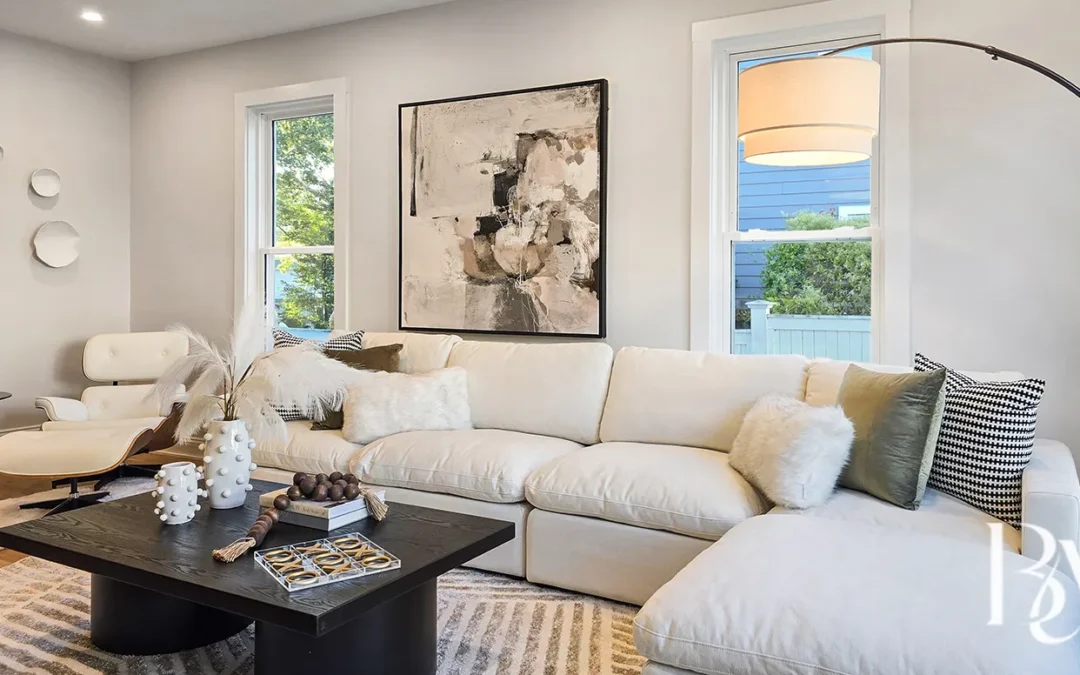
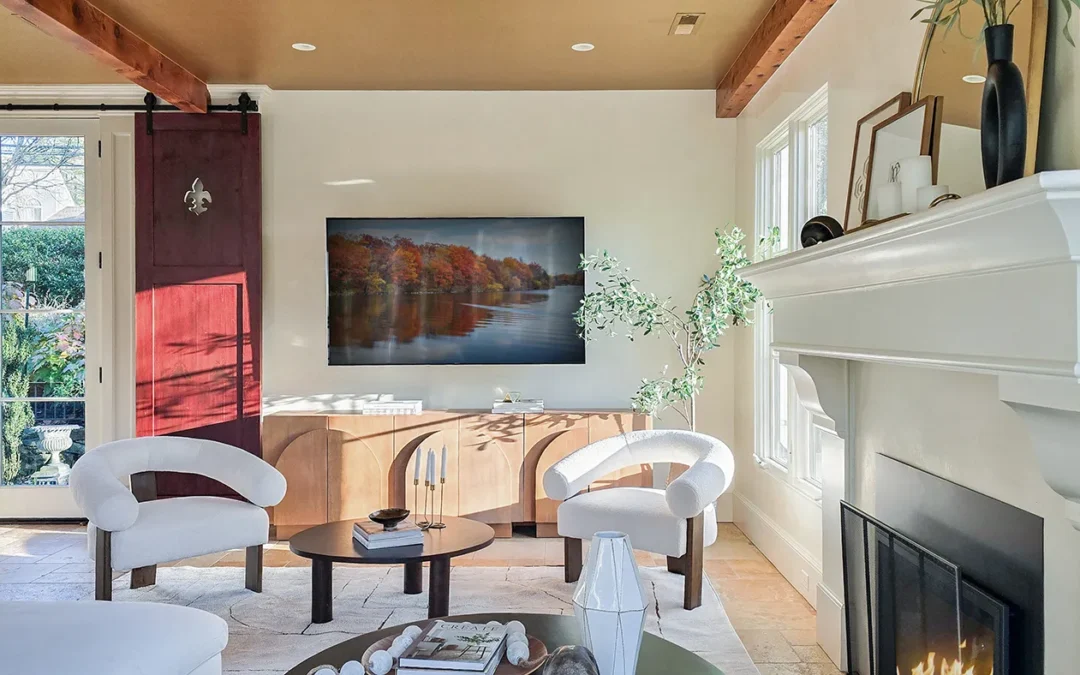
Spatial clarity – A well-arranged layout helps buyers understand how the space functions.
Visual balance – Proper scale and proportion create harmony within a room.
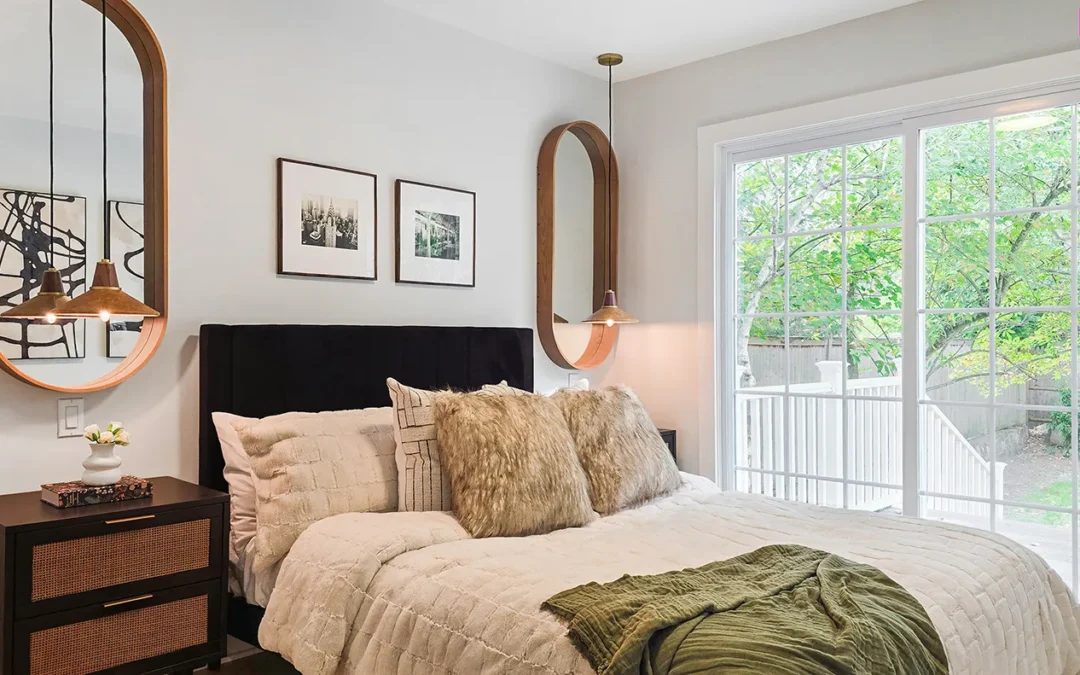
Emotional warmth – Textures, artwork, and thoughtful décor make the home feel inviting.
Lifestyle storytelling – Experience design helps buyers imagine relaxing, entertaining, and living comfortably in the space.
When these elements are missing, buyers may struggle to connect emotionally with the home.
Why Staging Influences Perceived Value
Buyers do not evaluate homes based only on numbers or features. Emotional perception also shapes how valuable a home feels.
When a property is professionally staged and visually cohesive, buyers often perceive it as:
- better maintained
- more desirable
- worth stronger offers
This perception can influence everything from showing activity to time on market.
Staging is no longer just about decorating a home. It has become a strategic marketing tool designed to shape how buyers experience a property.
According to research from the National Association of Realtors, staging helps buyers visualize a property as their future home. National Association of Realtors housing research
The Role of Neuroaesthetic Design in Staging
Modern staging increasingly draws from design psychology and neuroaesthetic principles. Neuroaesthetic home staging blends art, sensory balance, and spatial harmony to influence how buyers subconsciously experience a space.
By intentionally shaping visual flow, proportion, and emotional warmth, staging can transform a property from a simple listing into a memorable experience.
Why Presentation Matters More Than Ever
Today’s buyers often view dozens of homes online before scheduling a showing.
Strong presentation helps listings stand out in photography and creates a stronger emotional impact during showings.
When buyers enter a home that feels visually engaging and thoughtfully designed, they are more likely to feel confident about the property and continue imagining their future there.
Research insights from Zillow show that visual presentation plays a major role in how buyers engage with listings online. Zillow housing market research
Related Reading
Home Staging Psychology: What Buyers Really Think But Won’t Say Home Staging Benefits Beyond the Sale How Home Presentation Attracts Buyers Professional home staging strategies that help homes sell fasterFrequently Asked Questions
What will buyers feel the moment they walk through the door?