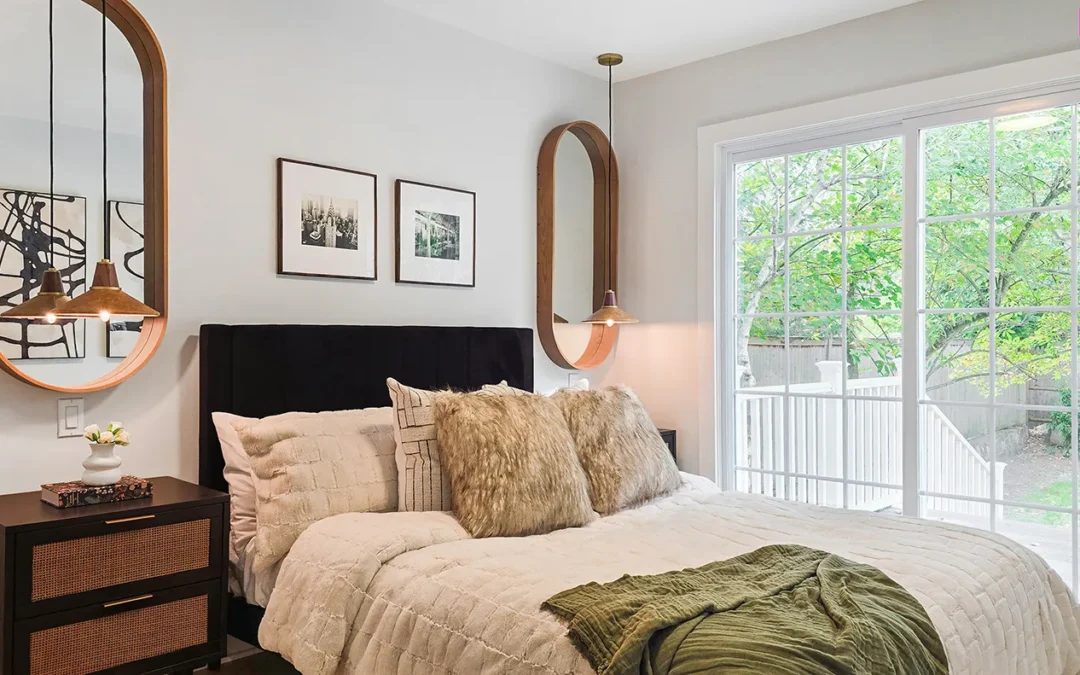
Model home staging is one of the most powerful tools in real estate marketing for builders and developers. It’s not just about furniture or décor, it’s about creating a home that tells a story that buyers want to be part of. When someone walks into a staged model home, they should instantly feel, “This is it. I can see myself here.”
At BA Staging & Interiors, this is exactly what we specialize in. Our professional home staging team has staged award-winning model homes that help builders and developers connect with buyers on an emotional level. Here’s how we approach staging these special properties for sale, along with some insider tips that can make any home stand out.
1. Define Spaces with Purpose
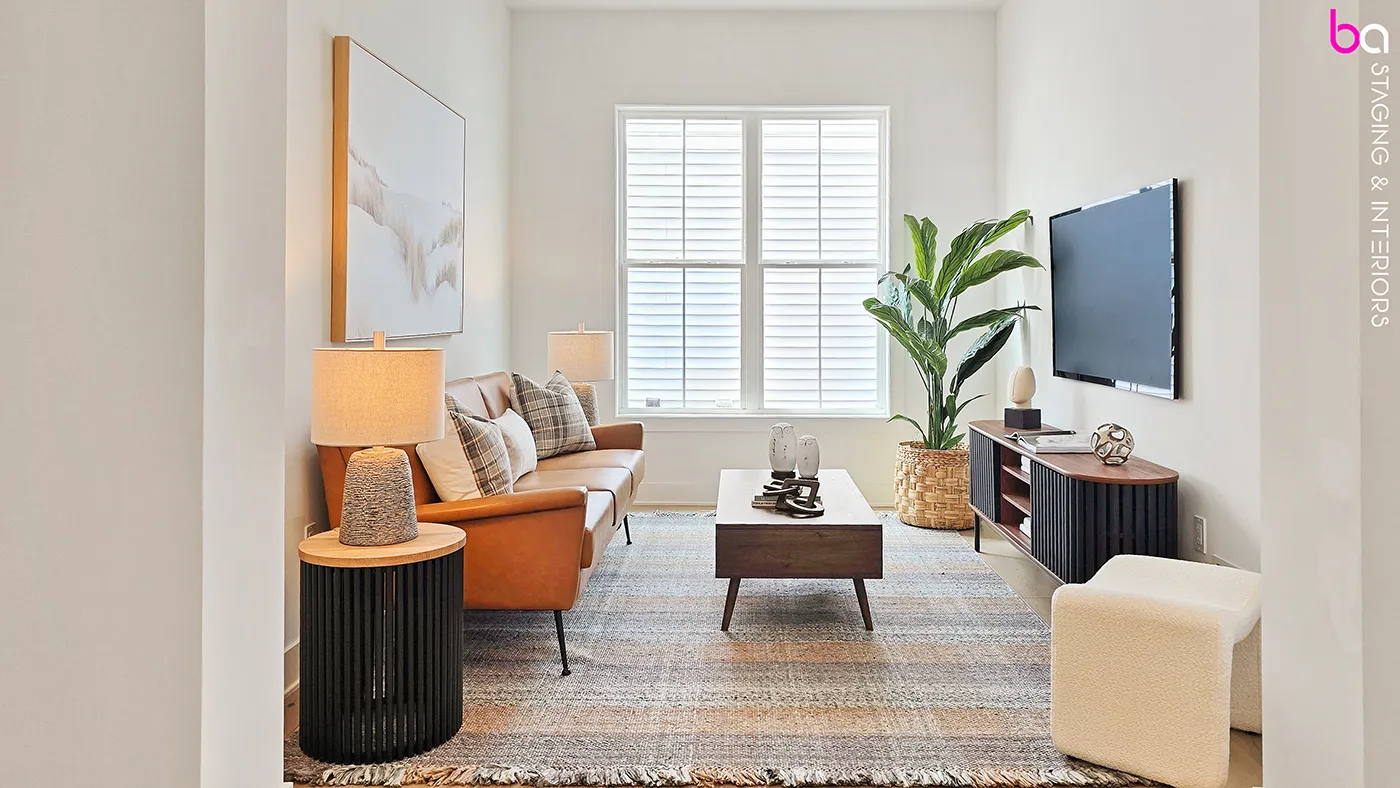
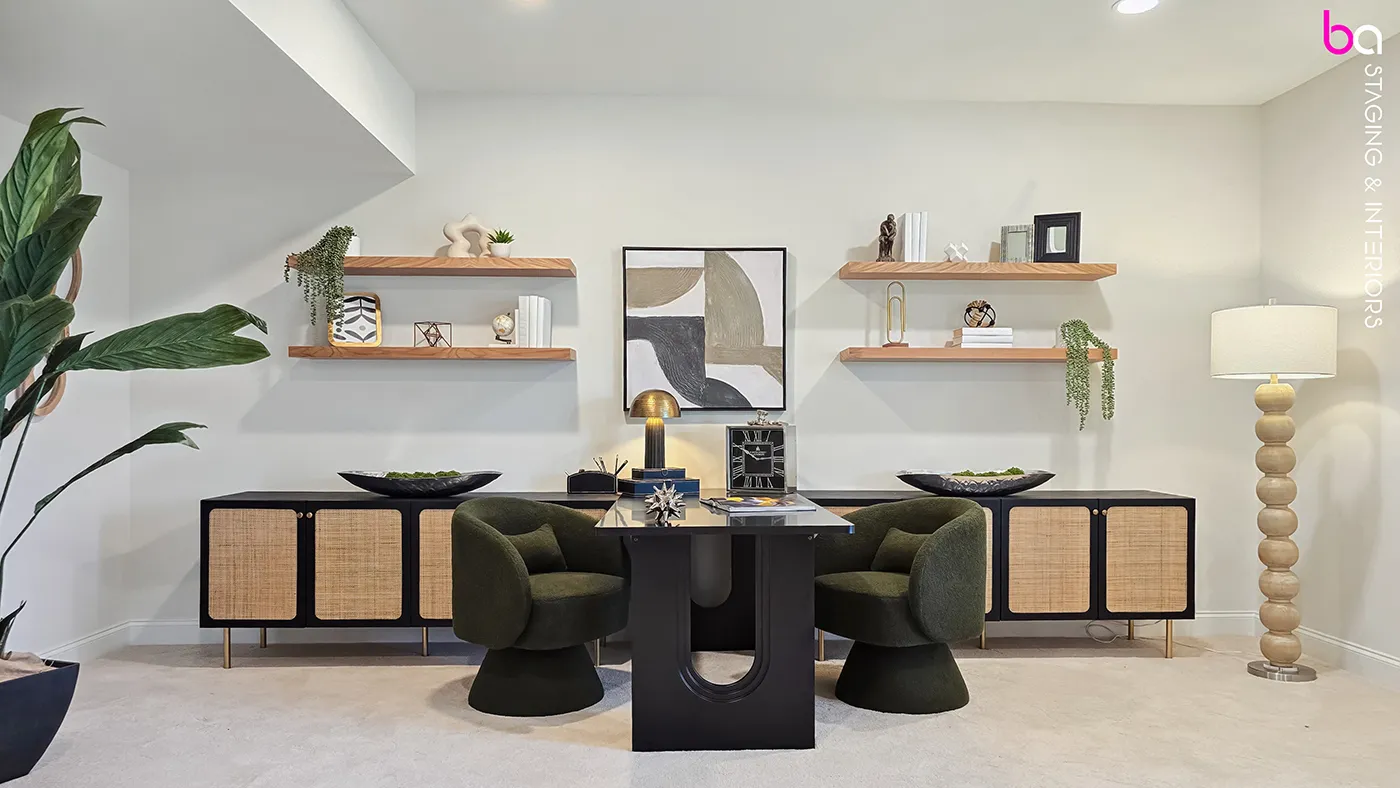
One of the first things we do in a model home is define every area with intention. An empty living room or flex space can confuse buyers, but the right layout creates clarity. As HGTV notes, showing buyers how a space functions helps them connect emotionally. For example, we’ll place a sleek desk in a loft to showcase it as a potential home office or style a breakfast nook to feel like the perfect morning retreat.
✨ Tip: Always stage with the target buyer’s lifestyle in mind. Defined spaces help them picture how they’ll actually live in the home.
2. Create Balance Through Color
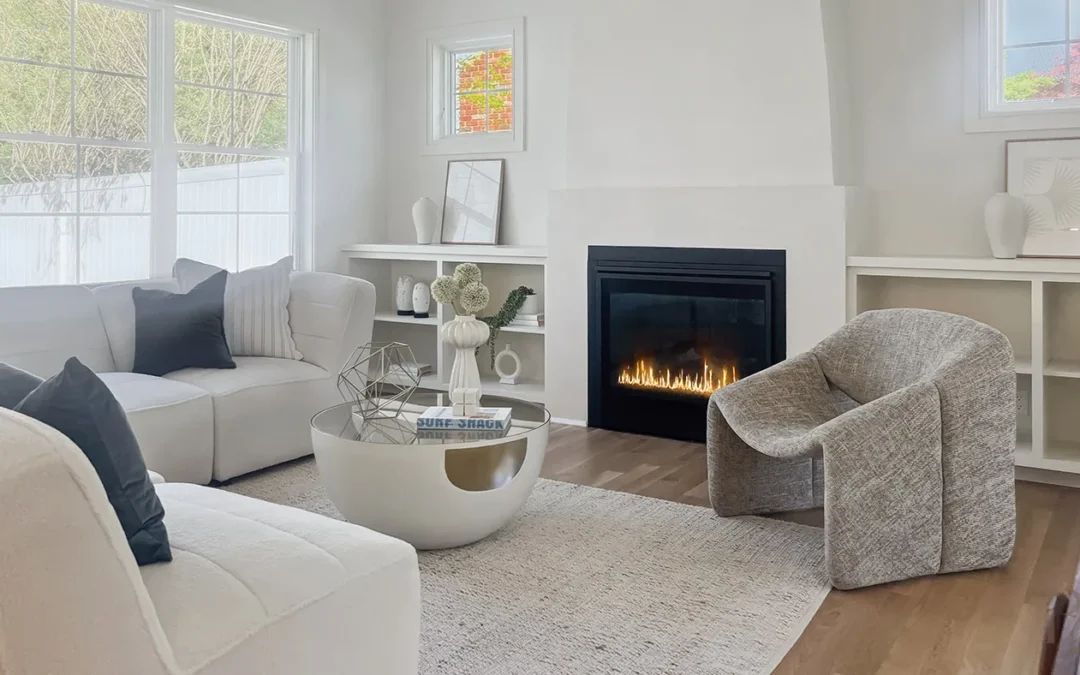
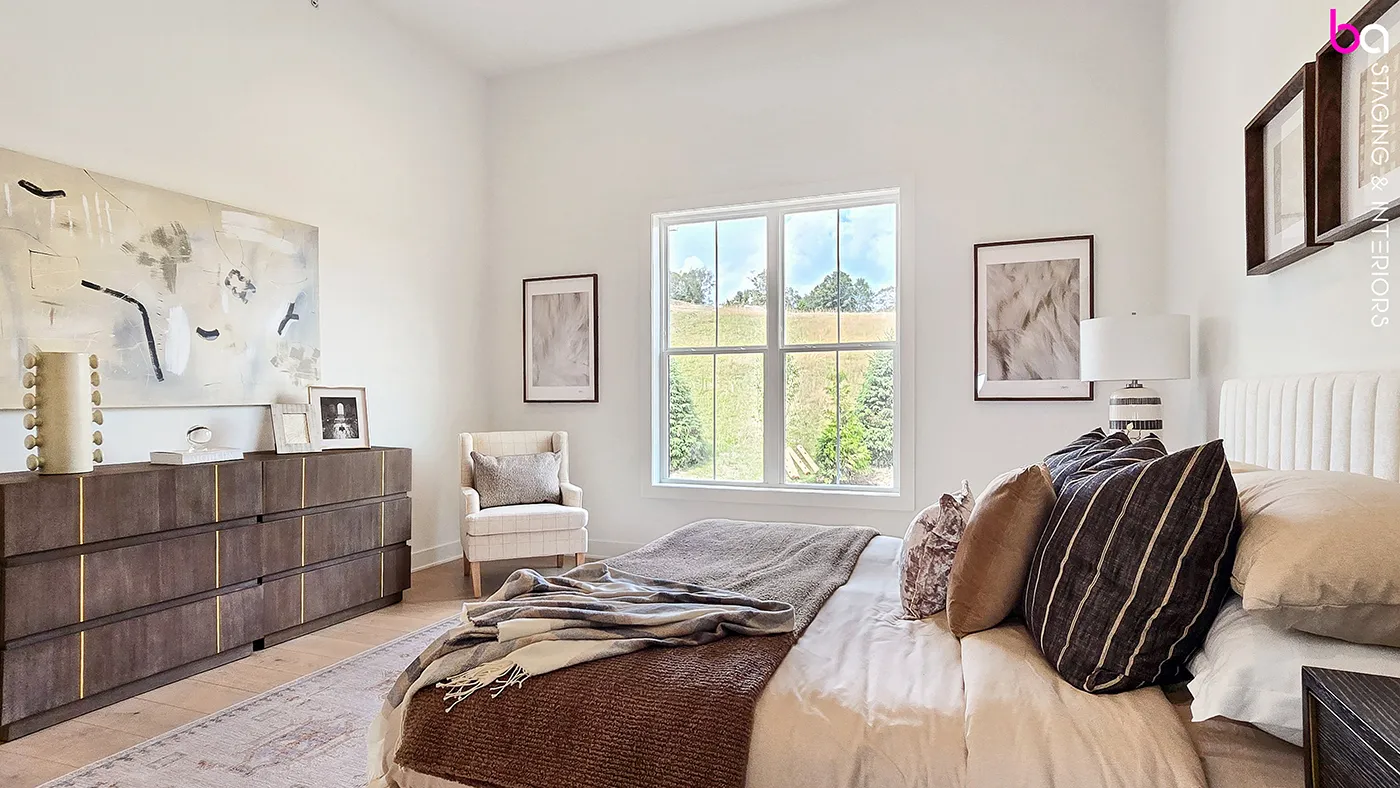
At BA Staging & Interiors, we know color can make or break a design. Our model home staging process often starts with a calming neutral foundation, then we layer in accents that add energy and personality without overwhelming the space. A 55+ community might call for a subdued and sophisticated palette, while a community for young professionals can use a vibrant, modern touch.
✨ Tip: Stick with a balanced palette that appeals to your buyers. Too much can distract, while the right mix creates comfort buyers instantly respond to.
3. Stage the Lifestyle, Not Just the Look
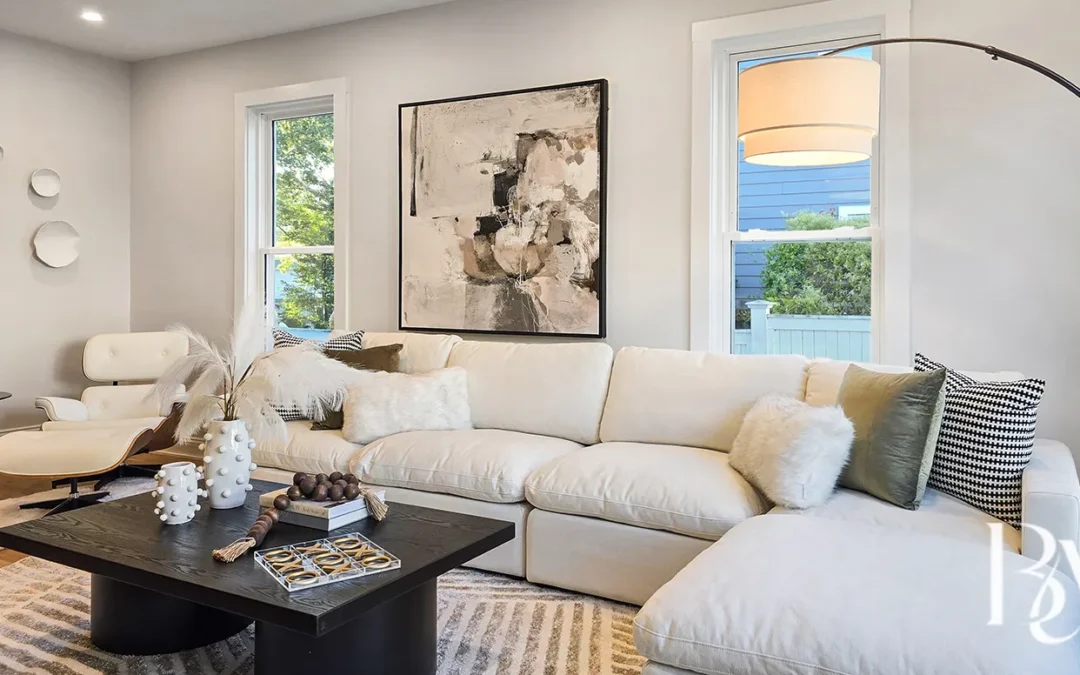
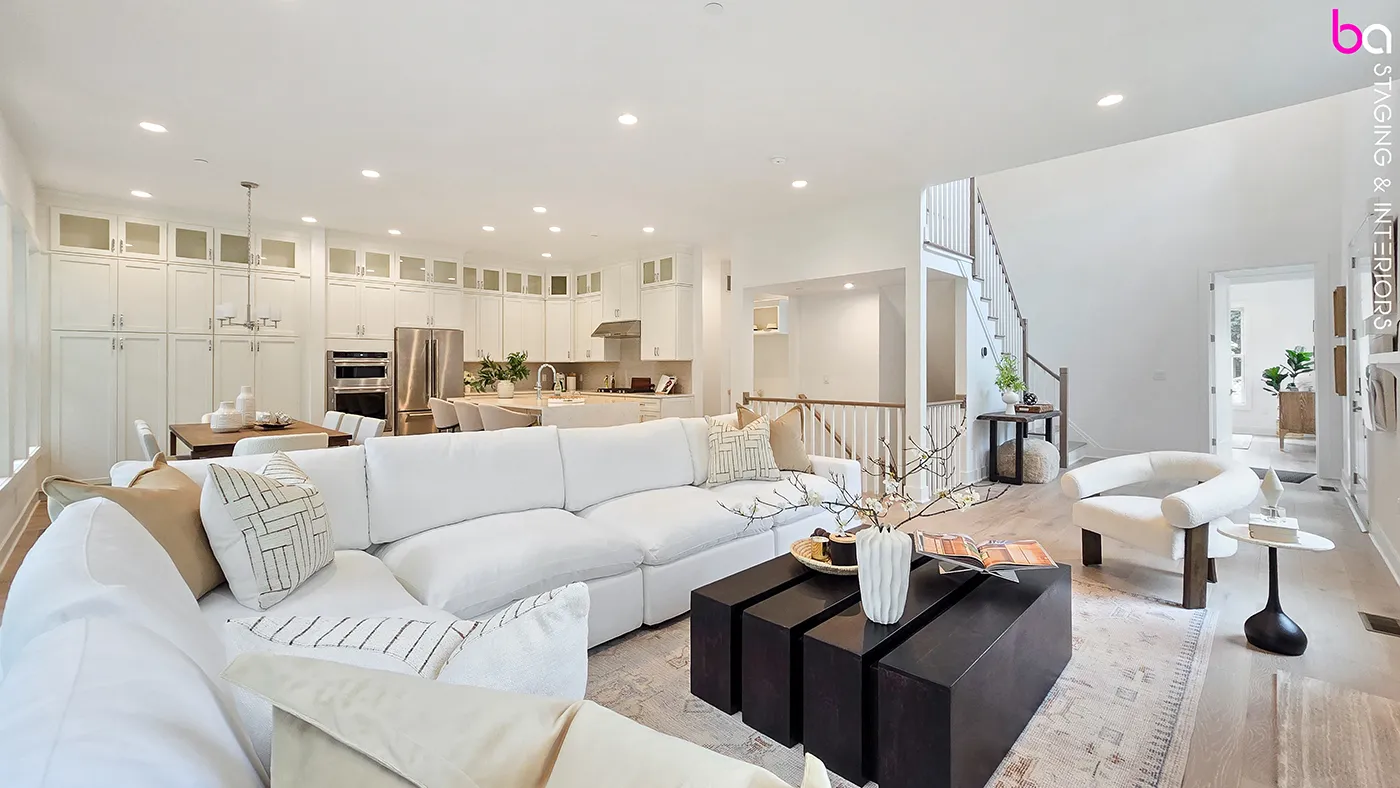
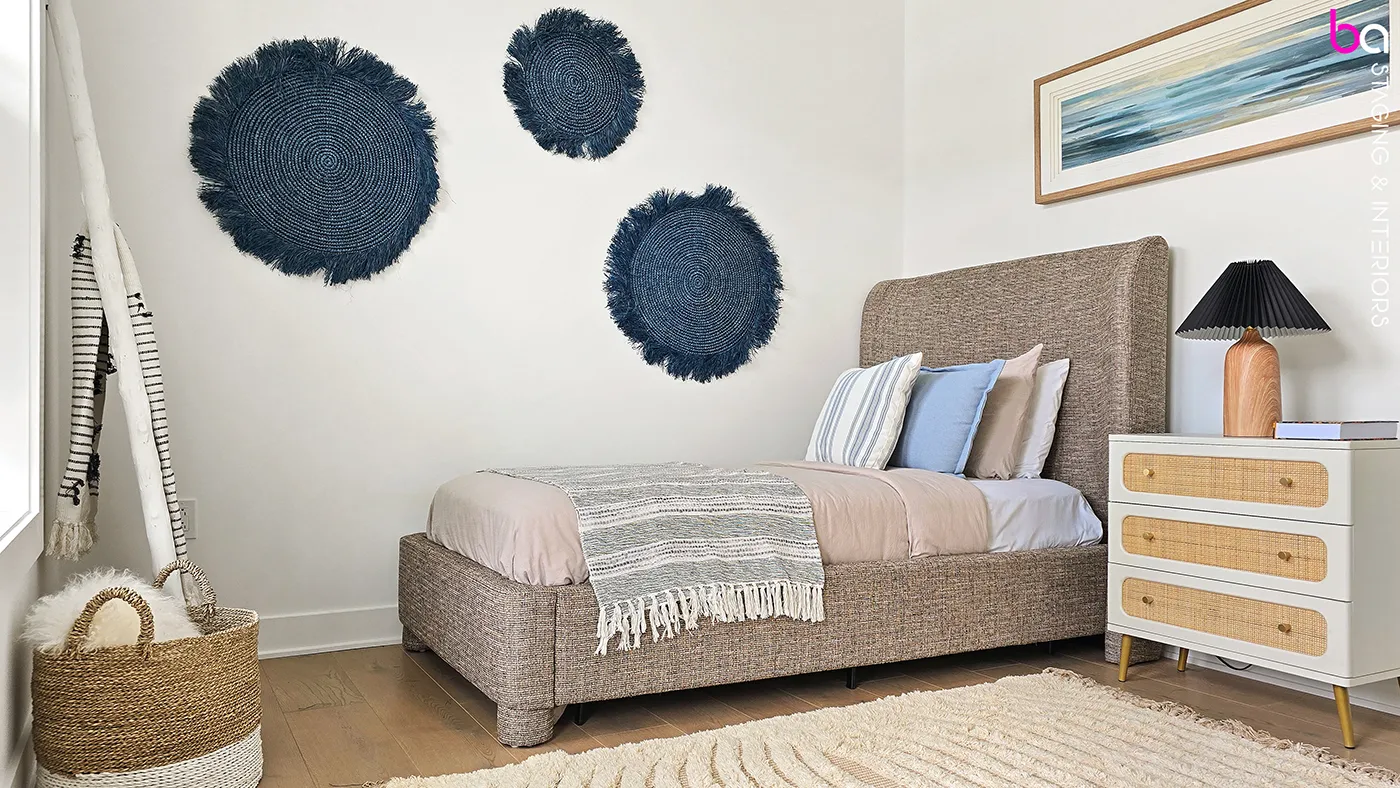
A house becomes a home when buyers can imagine their life inside. That’s why we add lifestyle details: an executive equipped office, cozy throws in the living room, or a styled coffee station in the kitchen. These touches aren’t random, they’re part of what we call lifestyle merchandising, helping buyers feel a connection beyond the four walls.
✨ Tip: Think beyond furniture. Add those small “moments” that make spaces feel alive and relatable.
4. Focus on the Spaces That Sell Homes
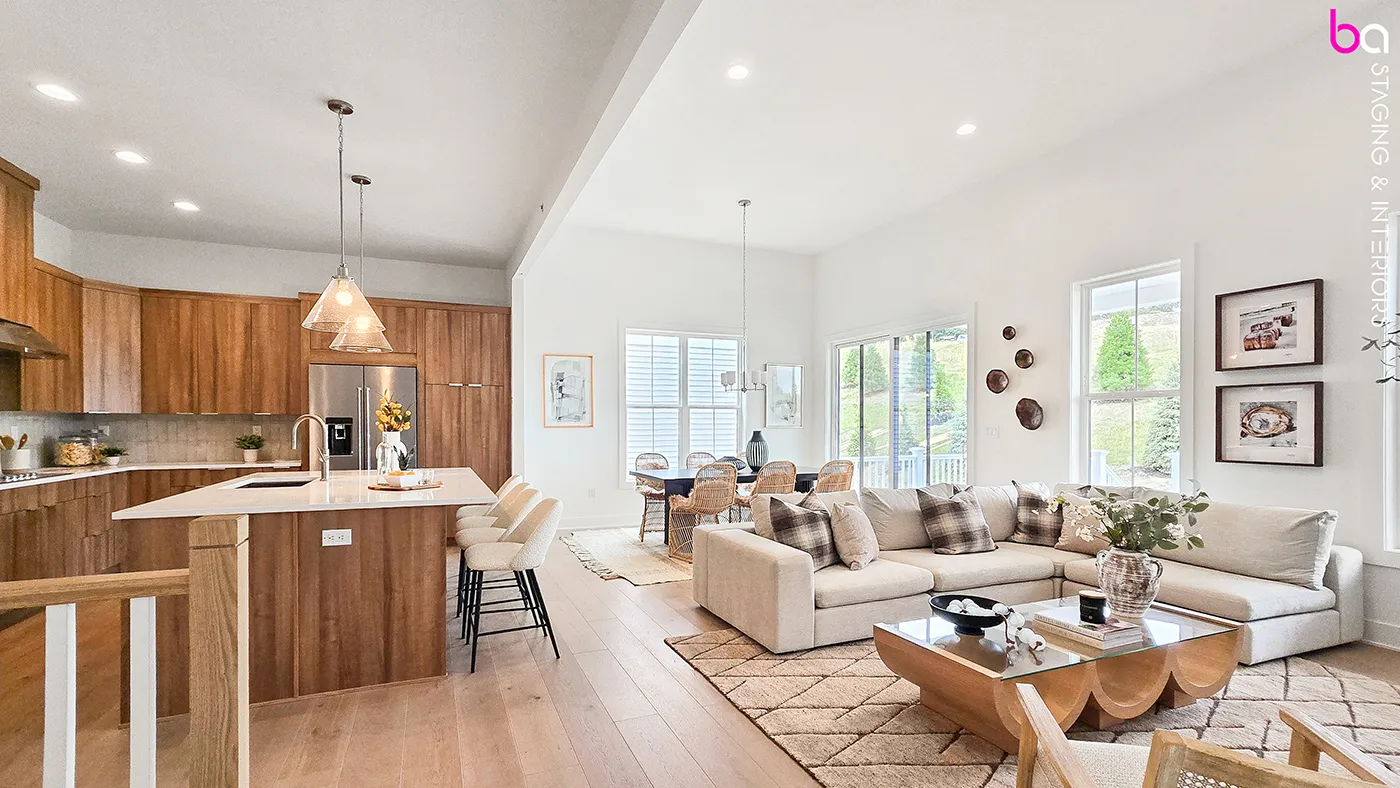
Our experience has shown that buyers make decisions based on a few key rooms. In every model home we stage, we pay extra attention to:
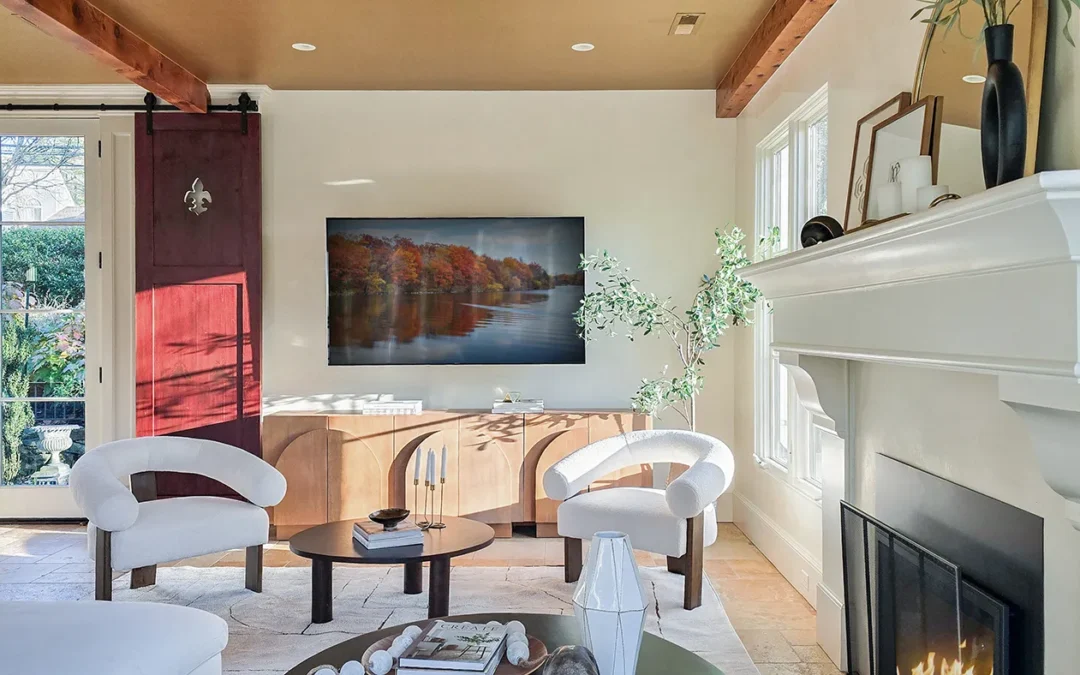
• Living room: Show comfort and room for gatherings.
• Kitchen/dining: Highlight warmth and functionality for the true heart of the home.
• Primary bedroom: Make it feel like a private retreat they’ll never want to leave.
✨ Tip: If budget is limited, focus your staging on these high-impact areas for maximum return. This is where staging that sells really happens.
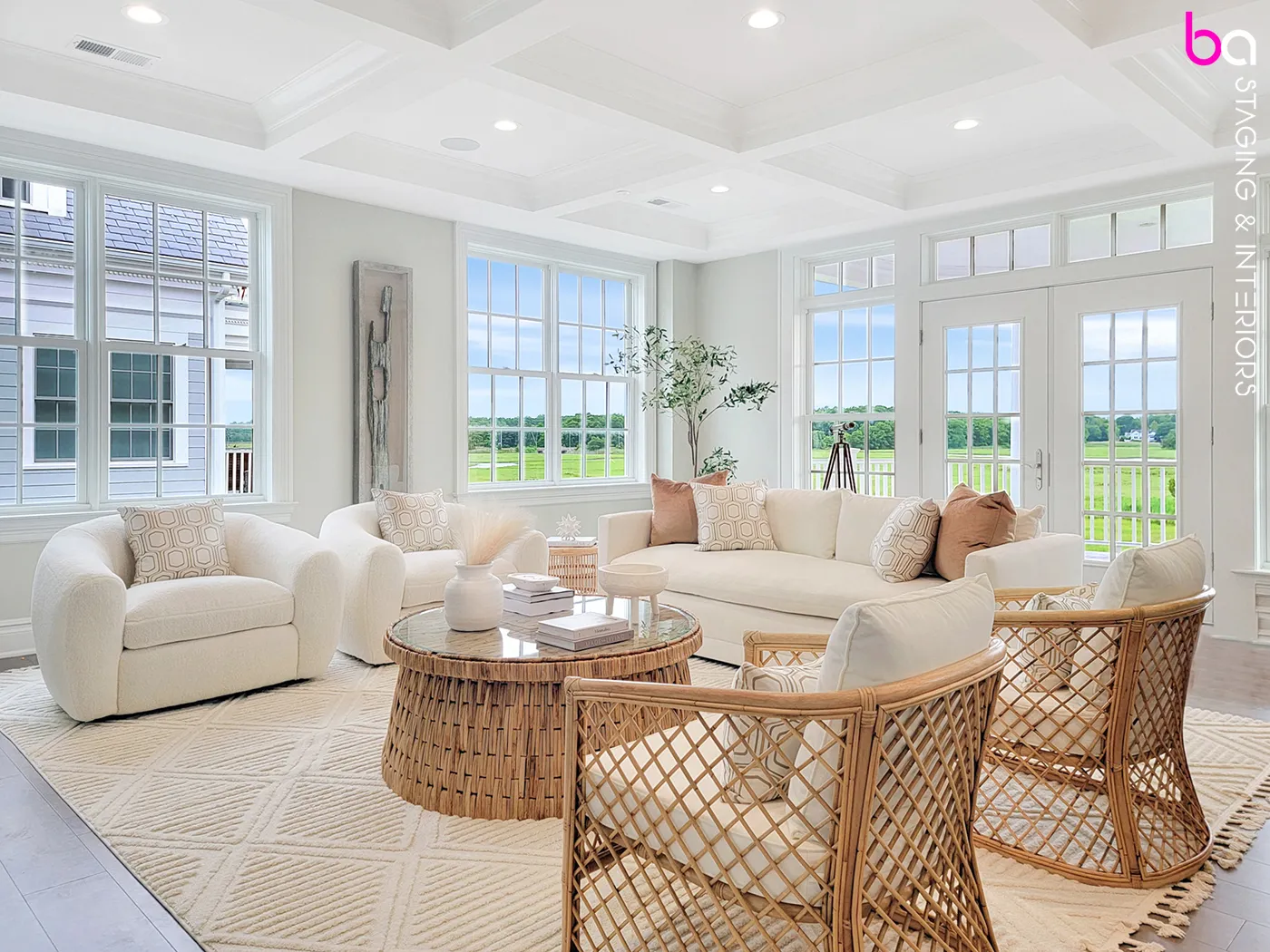
5. Keep It Sophisticated but Welcoming
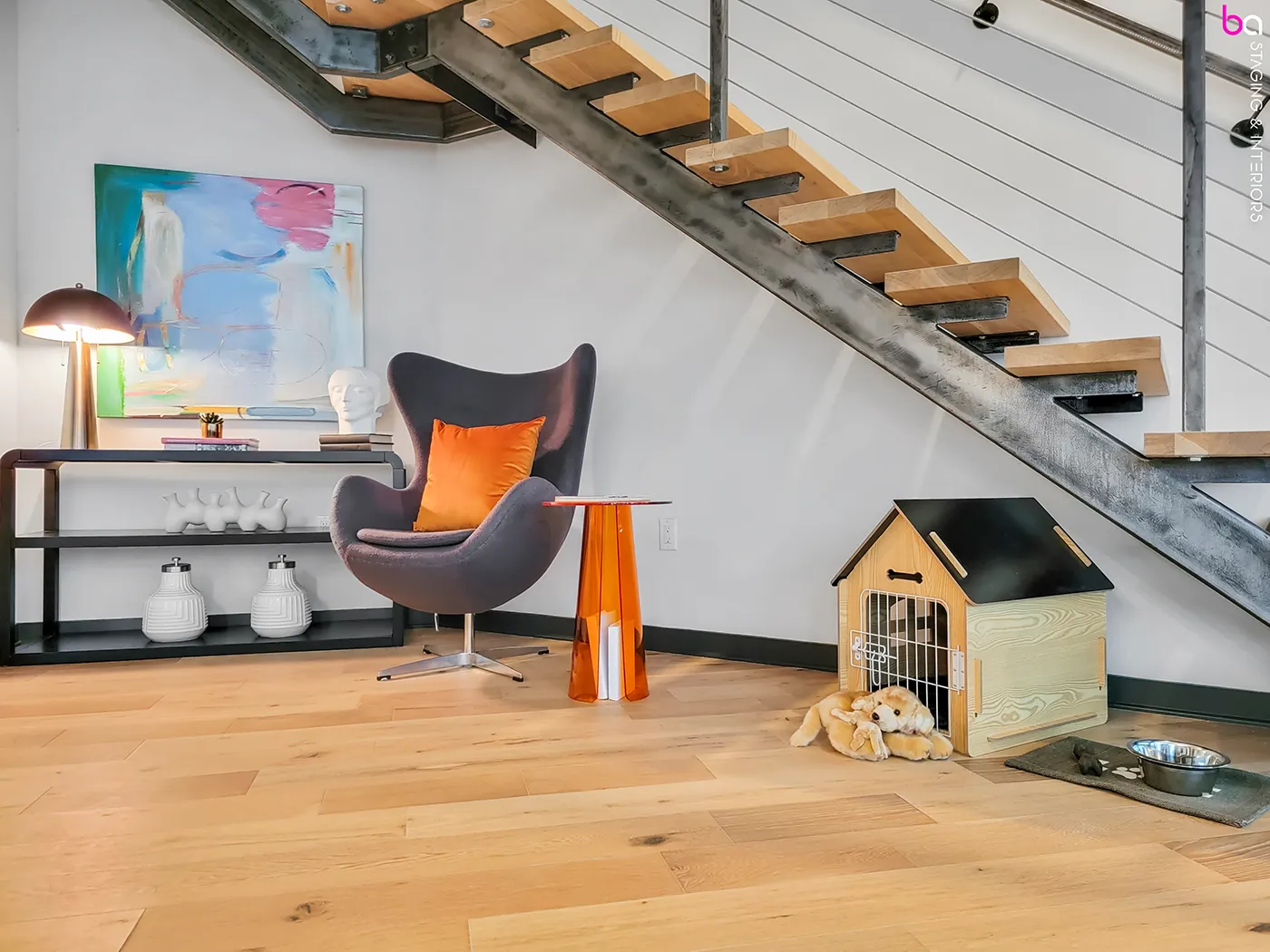
We always say: the best staging for buyers sparks an emotional response. Too minimal and the home feels sterile. Too cluttered and it feels overwhelming. Our approach is to design polished, sophisticated spaces that still feel like the welcoming home buyers want to step into, not just admire from afar.
✨ Tip: Edit carefully. Less is more, but the right “more” makes all the difference.
Our Approach
At BA Staging & Interiors, model home staging is more than filling rooms, it’s a key marketing strategy for savvy real estate developers. Industry data from the National Association of Realtors shows professional staging is one of the most effective tools in real estate marketing today. Our approach goes beyond making a space look pretty. BA Staging & Interiors uses a science-based proprietary staging method that psychologically targets the ideal buyer through neuroaesthetic design.
We partner with builders, developers, and real estate agents to design model homes that inspire buyers and spark a deeper emotional connection and a sense of belonging to the community. Our spaces are curated intentionally with lifestyle merchandising and every decision we make is focused on one goal: helping homes sell faster and for top value.
Because when design is marketing, buyers don’t just see a house, they see their dream future.