First Impressions Are Neurological, Not Rational
When a buyer steps into a home, the brain immediately scans for visual harmony, spatial flow, light, and emotional cues. This process happens automatically, without conscious effort.
The brain asks:
- Does this space feel safe?
- Does it feel aspirational?
- Can I imagine my life here?
If the answer is “yes,” the brain releases dopamine, reinforcing positive emotion and confidence. If the answer is “no,” resistance forms even if the buyer can’t explain why.
This is why first impressions in real estate carry disproportionate weight. Once the brain forms an initial emotional judgment, all later information is filtered through it.
According to research from Psychology Today, first impressions form almost instantly and strongly influence later judgments. In real estate, this means every subsequent detail is filtered through that initial emotional reaction.
Why Emotion Drives Real Estate Decision-Making
Human decision-making is emotionally led and then logically justified. In real estate, buyers often “feel” the right home first and justify the choice later with facts like square footage or resale value.
Emotion influences:
- Perceived home value
- Willingness to overlook flaws
- Speed of decision-making
- Confidence in making an offer
A space that feels calm, elevated, and intentional reduces cognitive friction. Buyers feel more certain, more connected, and more willing to act.
Emotion affects perceived home value, confidence, and willingness to act. This aligns with findings from Harvard Business Review, which shows emotional connection plays a critical role in decision outcomes.
The Subconscious Cost of Poor Presentation
When a home lacks visual clarity or emotional cohesion, the brain works harder to process the space. This mental effort creates doubt and decision fatigue. Buyers may describe the home as “fine” or “not quite right,” even if nothing is technically wrong.
Unstaged or poorly presented homes often trigger:
- Lower perceived value
- Increased focus on flaws
- Slower decision-making
- Hesitation to offer at asking price
The issue isn’t the home, it’s how the brain experiences it.
This is why many sellers turn to professional staging solutions such as Connecticut home staging strategies to reposition how buyers experience a space.
How Strategic Design Guides Buyer Perception
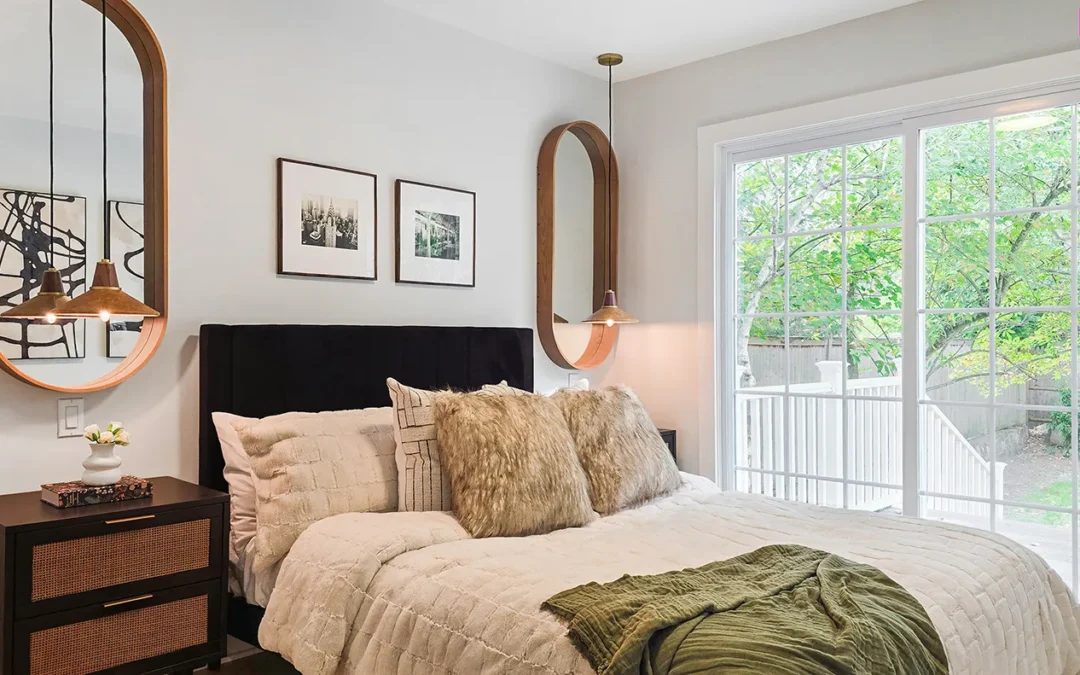
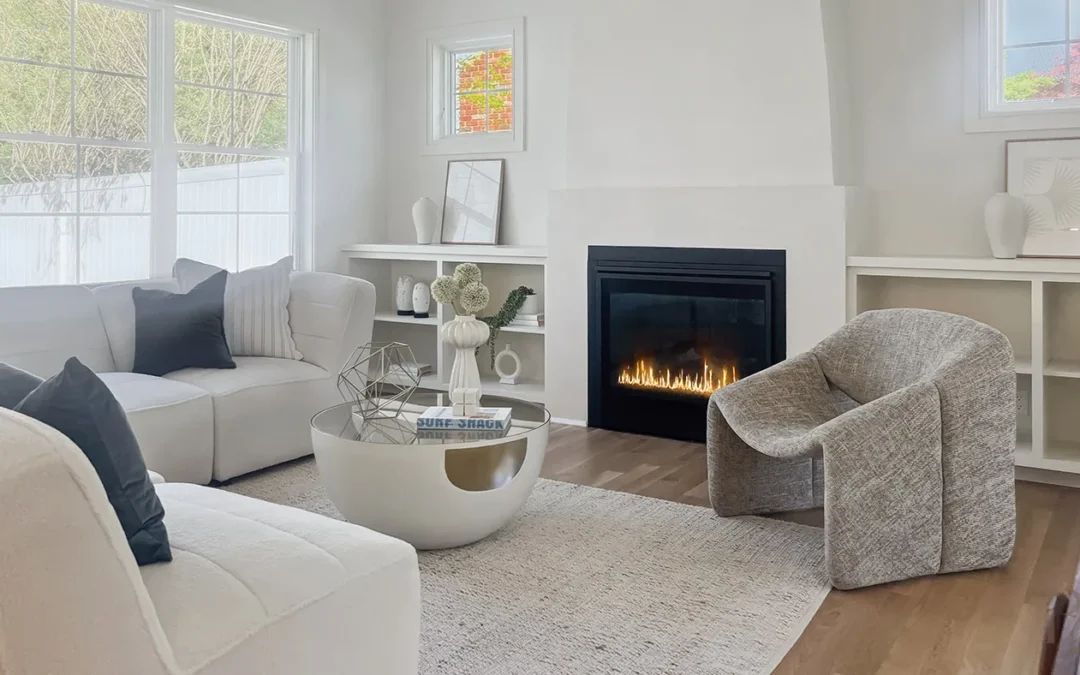
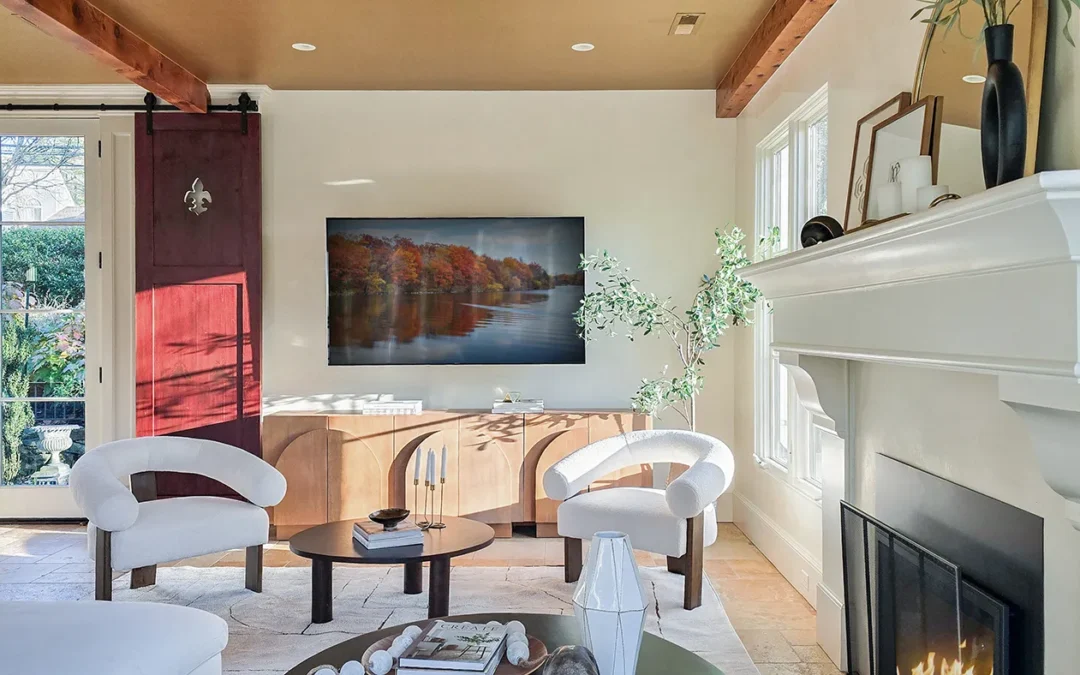
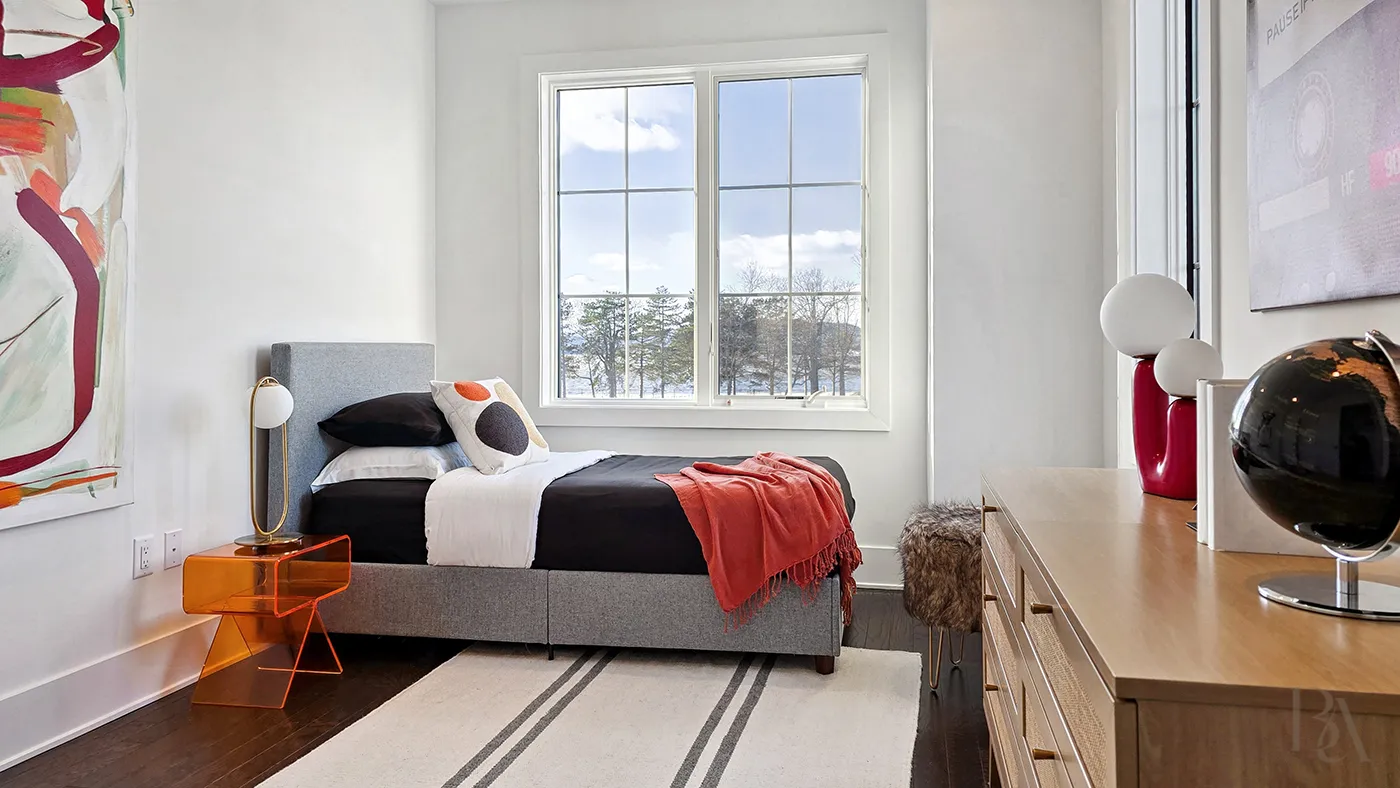
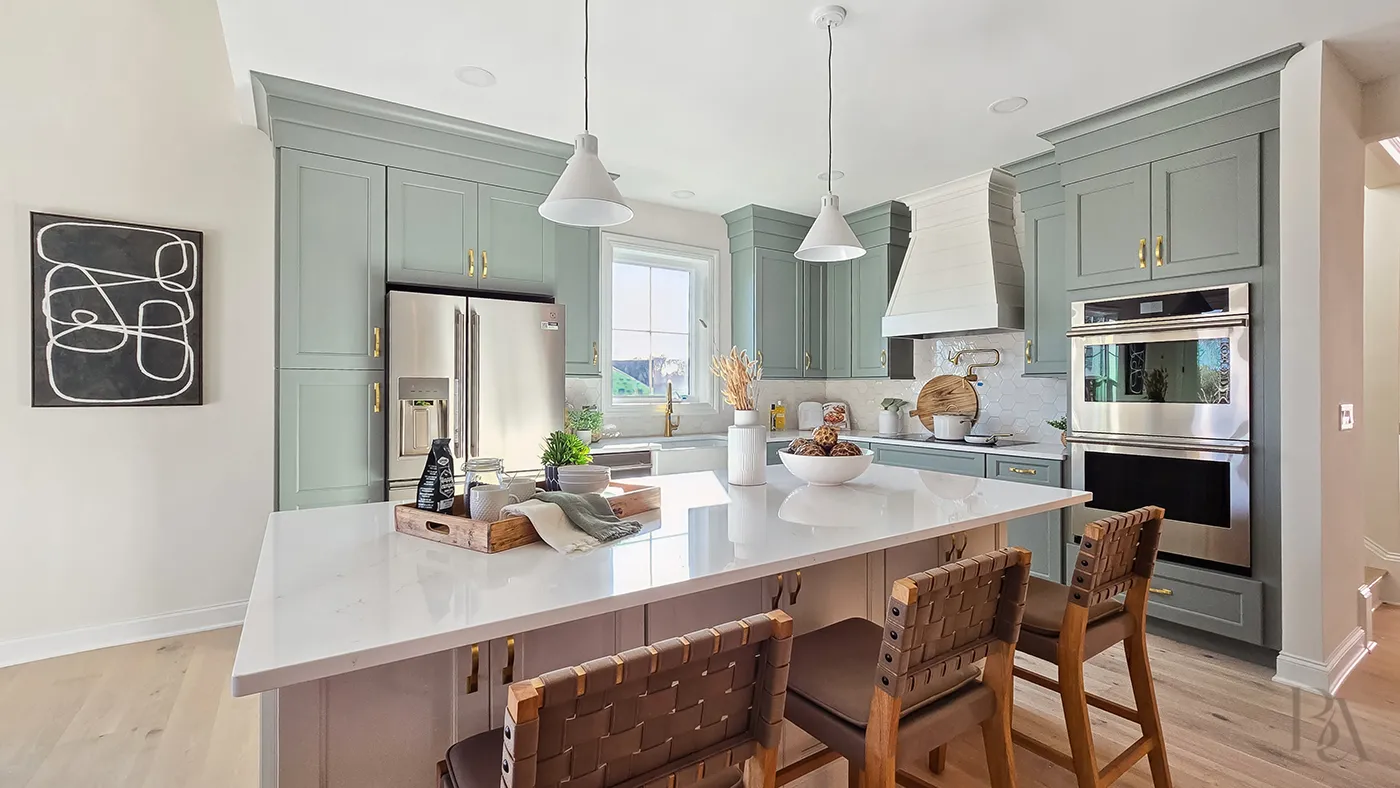
Design that is intentional, balanced, and emotionally resonant helps guide the brain toward positive conclusions. Strategic presentation uses proportion, lighting, texture, and layout to create visual ease and emotional comfort.
When buyers feel oriented and inspired, they:
- Spend more time in the space
- Engage emotionally with the home
- Imagine ownership more vividly
- Feel justified in paying more
This is why professionally designed spaces consistently outperform unstaged ones.
Studies on environmental psychology, including research summarized by ArchDaily, show that spatial design directly influences mood and behavior.
This is why services like home staging psychology and luxury home staging strategies consistently deliver stronger market performance.
Why the First 90 Seconds Matter Most
Once the brain makes an emotional decision, logic works to support it. That means the opening moments of a showing carry more influence than later explanations or comparisons.
In competitive markets, homes that immediately connect emotionally don’t just attract attention, they create momentum.
Final Thought
Homes don’t sell because buyers understand them. They sell because buyers feel them.
When presentation aligns with how the human brain processes space, emotion, and value, the result is faster sales, stronger offers, and greater confidence on both sides of the transaction.
Frequently Asked Questions
1. How quickly do buyers decide if they like a home?
2. Why are first impressions so important in real estate?
3. Can design really influence how much a buyer will pay?
4. What happens when a home is poorly presented?
5. Is home staging based on psychology or just aesthetics?