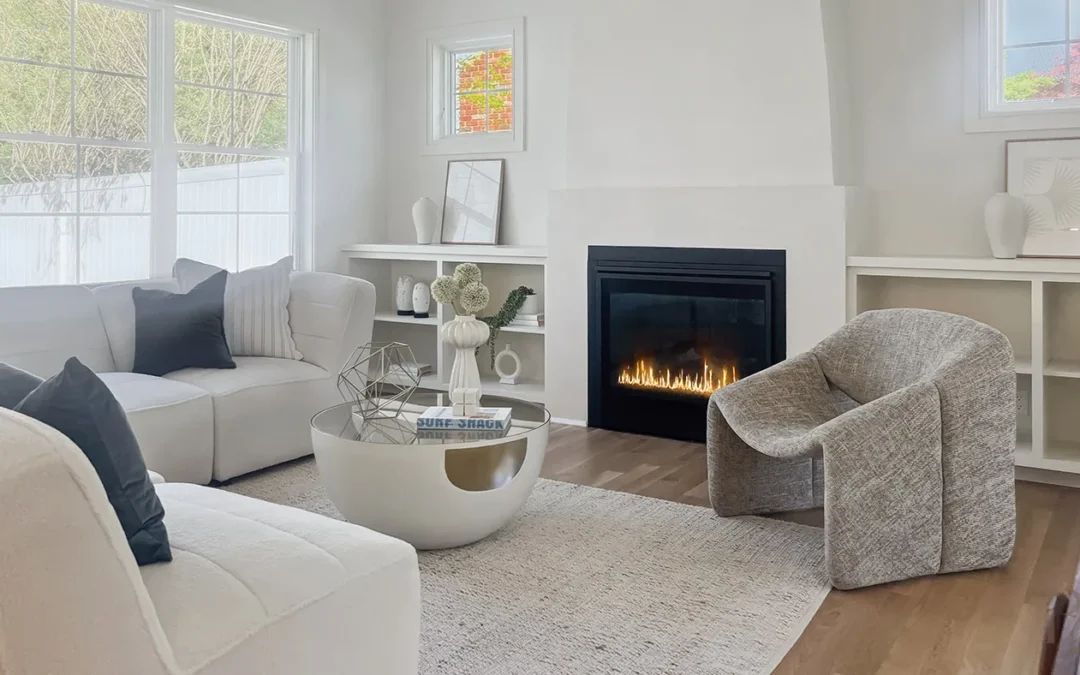
As a professional Connecticut home stager I can immediately tell that in that person’s mind there is no clear understanding what real estate home staging really is. Home staging is a marketing tool and as such it requires an understanding of the most likely buyers and how to translate this into a staging design plan. While staging might seem random and being just a matter of adding some furniture and accessories, this is far from what staging really involves. Staging is a marketing tool that involves research, the art of design, and psychology. After all with staging we want to give a “wow” factor to stand out from the competition, not just a “oh, it’s ok looking”. When staging our company carefully selects each piece of furniture, artwork, lighting, décor item with the target buyer in mind. Whatever furniture you want to use in your home, of which you can find more at 360Homeware
if you’re really into it, staging should be the responsibility of the professionals and should be given that level of respect.
My staging colleague Karen Otto from Home Star Staging in Texas shows in her recent blog post the different level of staging using the same accessories and furniture that were used by the home seller who “staged” her house herself. It shows that staging is a skill and an art and not just adding furniture and some accessories. Click here to check out the difference.